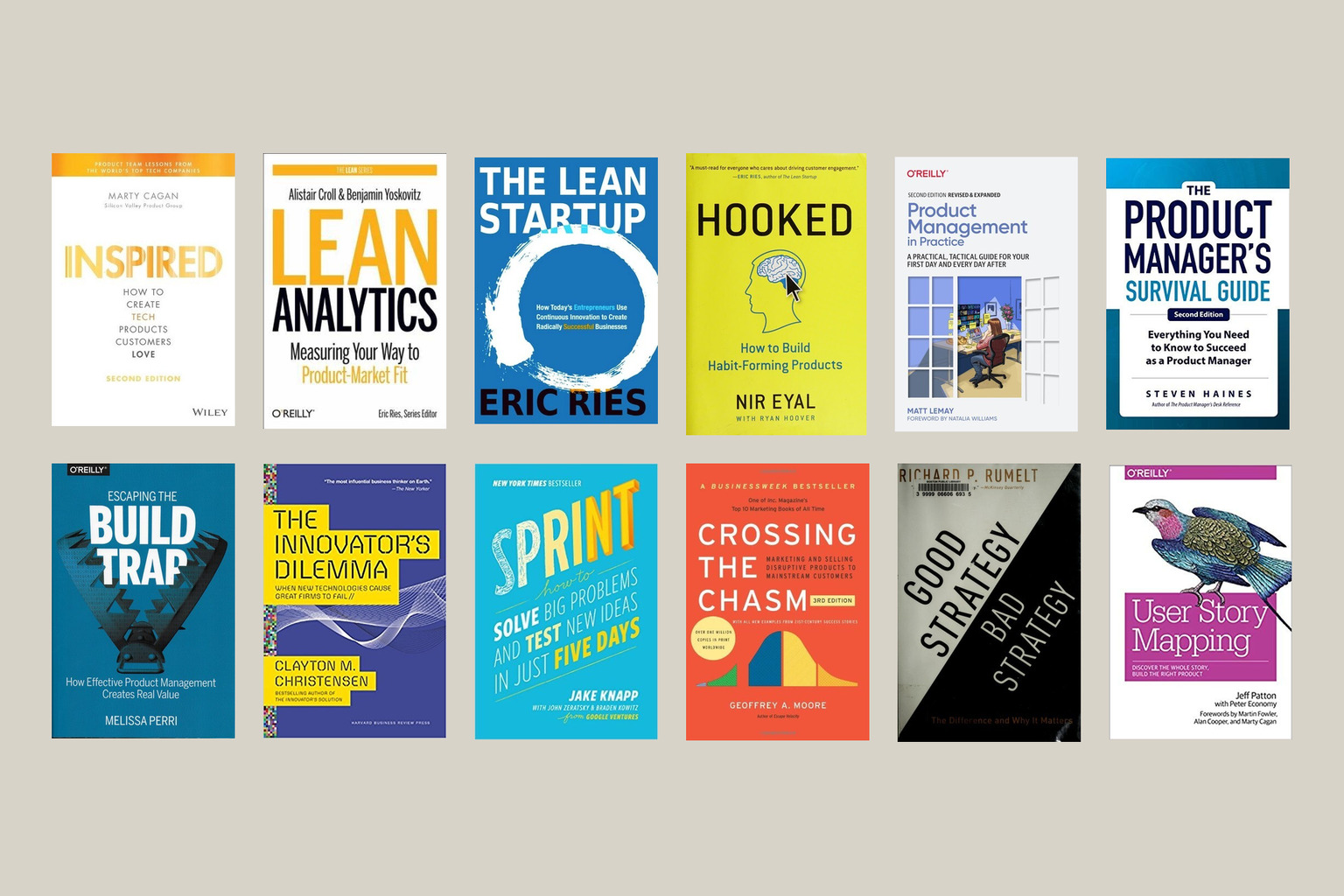
Software developers spend a great deal of time learning how to build things well. We study languages, architecture, testing, operations, and the practices that help us deliver reliable systems. It is just as important to understand why a product should be built, who it serves, and how a team can learn whether it is working.
These are product management books that I have read and continue to recommend to developers. They are not all manuals for becoming a product manager. Together, they provide a better understanding of customers, discovery, measurement, strategy, markets, and the decisions that surround our code.
The list ranges from practical guides to older business classics. Some examples have aged, but the useful ideas have survived. Reading across these books has helped me ask better questions before implementation begins and participate more effectively in decisions that belong to the whole product team.
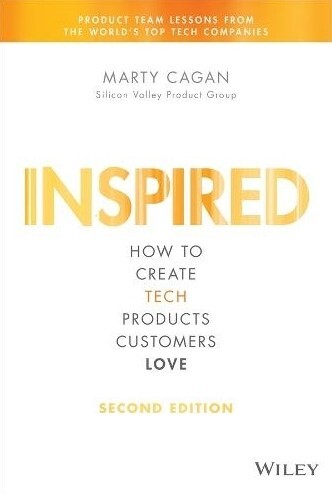
Inspired
Publisher/author page · Amazon
Inspired is a useful overview of how strong product organizations decide what to build. Cagan makes a clear distinction between a team that is trusted to solve customer problems and one that is handed a roadmap and asked to deliver features. Some of the organizational model can feel aspirational, but the book gives developers a valuable vocabulary for discovery, product risk, and empowered teams. It is a good place to start when engineering and product need a better way to talk about their shared work.
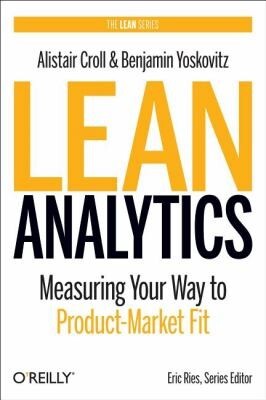
Lean Analytics
Publisher/author page · Amazon
It is easy to collect an enormous amount of data without learning anything useful. Lean Analytics provides a practical way to choose the measurement that matters for the stage your product is in. Its idea of focusing on one meaningful metric is especially helpful for developers who are accustomed to instrumenting everything. The book connects implementation work to customer behavior and business results, and it offers a good defense against dashboards that look impressive but do not help anyone make a decision.
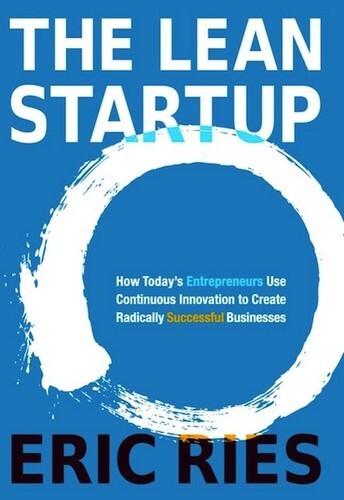
The Lean Startup
Publisher/author page · Amazon
The Lean Startup introduced many developers to validated learning and the build-measure-learn loop. Its most useful lesson is that an early product is an experiment: its job is to answer a question, not merely to ship quickly or cheaply. The startup examples are now familiar and sometimes show their age, but the underlying approach remains valuable inside established companies as well. This book helps an engineering team treat uncertainty as something to investigate rather than something to bury beneath a larger implementation plan.
Hooked
Publisher/author page · Amazon
Hooked explains a simple cycle of triggers, actions, variable rewards, and investment that can bring people back to a product. The model is memorable, and once you learn it you will recognize it in a great many applications. Developers influence these details through defaults, notifications, speed, and the amount of effort required for an action, so this is not solely a design or marketing topic. It is also worth reading critically. Understanding how habits form should make us more deliberate about whether a behavior serves the customer or merely captures attention.
Product Management in Practice
Publisher/author page · Amazon
This is the most grounded book in the list about the ordinary work of product management. LeMay focuses on communication, organization, research, and execution rather than pretending that a product manager spends every day inventing a grand vision. That makes it particularly useful for developers. It explains why product work often looks like connecting people, resolving ambiguity, and making sure a team is solving the same problem. The advice is practical, candid, and applicable even if “product manager” will never be your job title.
The Product Manager's Survival Guide
Publisher/author page · Amazon
Haines provides a broad and orderly tour through the product manager’s role: customers, markets, strategy, roadmaps, execution, data, and the difficult work of influencing an organization. I like this as a reference because it shows how the pieces fit together instead of concentrating on a single fashionable technique. For a developer, it fills in the work that happens before and around implementation. It also makes clear why product decisions rarely belong to one person and why good product management depends on cooperation across the business.
Escaping the Build Trap
Publisher/author page · Amazon
A team is in the build trap when it measures success by how much it ships instead of whether any of that work improves an outcome. Developers encounter this constantly: full backlogs, busy roadmaps, and very little evidence that the next feature matters. Perri explains how product strategy, experimentation, and outcome-oriented measures can change that system. This is one of the books I would most readily recommend to an engineering team because it gives a name to a common failure and shows why simply delivering faster will not fix it.
The Innovator's Dilemma
Publisher/author page · Amazon
The Innovator’s Dilemma is valuable because the companies in it often fail while making reasonable decisions. They listen to important customers, improve profitable products, and invest where the numbers look strongest. That creates room for a smaller and initially worse technology to find a different market and improve. Some examples are dated, but the framework remains useful. Developers should understand it because technical quality does not determine which product succeeds. Markets, customers, cost structures, and the trajectory of a technology matter just as much.

Sprint
Publisher/author page · Amazon
Sprint turns product discovery into a concrete five-day process: choose a problem, sketch competing approaches, decide, build a prototype, and test it with customers. The exact schedule will not fit every team, but the constraints are part of what makes the method useful. It forces decisions and produces evidence before a full implementation begins. Developers often see risks and constraints that change a proposed solution, so their participation is important. Even when I am not running a formal sprint, the sequence is a useful model for getting unstuck.
Crossing the Chasm
Publisher/author page · Amazon
Moore explains the difficult jump between early adopters, who tolerate rough edges for a new advantage, and mainstream customers, who expect a complete and dependable solution. That distinction explains a surprising number of arguments about priorities. A developer may see an exciting capability while a customer sees missing documentation, integrations, support, or reliability. The book’s language and examples come from an earlier era of technology, but its ideas about choosing a focused market and delivering the whole product remain useful.
Good Strategy/Bad Strategy
Publisher/author page · Amazon
Rumelt is refreshingly direct about the difference between strategy and a collection of ambitions. A good strategy identifies the real challenge, establishes a guiding policy, and follows it with coherent action. A goal such as becoming the market leader is not a strategy, and neither is a roadmap containing every request. This is useful for developers because vague strategy creates contradictory priorities and endless negotiation at the implementation level. The book provides a sturdy test for whether an organization has made a choice or has merely announced what it hopes will happen.
User Story Mapping
Publisher/author page · Amazon
A flat backlog is very good at hiding the customer experience. Patton’s story-mapping approach arranges work around the sequence of activities a person is trying to complete, making gaps and priorities much easier to see. It is a practical technique for creating shared understanding between product, design, and engineering. I especially like that the map supports useful conversations without pretending requirements can be made complete in advance. For developers, it provides context for individual stories and makes it easier to find a small release that still works as a coherent product.