Science fiction gives us room to examine the present from a safe distance. A novel can change the technology, the planet, or the rules of society and then ask familiar questions about power, responsibility, identity, and what people owe one another. The invented world stretches the imagination, but the moral problem often belongs to our own time.
These are eleven science fiction books I read and recommended in the years before this list was first published. I chose them for summer reading because they combine interesting ideas with stories that keep moving. Some are stranger, darker, or more demanding than others, but all of them gave me something worth thinking about after the plot was finished.
This list also records a particular moment in my reading. Several books grew into series, and some have since been adapted for television, but these short reviews describe what I enjoyed when I originally read them. I still recommend the collection as an entertaining route through generation ships, alien archaeology, climate fiction, nanotechnology, and several wonderfully improbable futures.
For nonfiction with the same sense of discovery, see my recommendations for popular science books and single-topic history books.
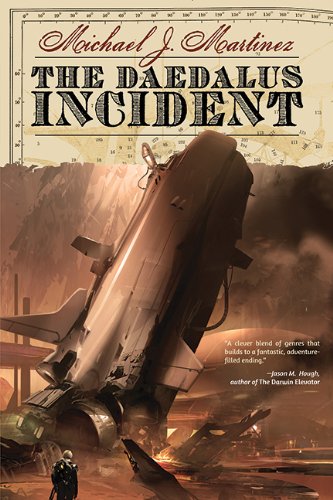
The Daedalus Incident
Publisher/author page · Amazon
18th-century pirates, in space, on wooden ships. This book is the most inventive and interesting science fiction that I’ve read in a long time. It’s crazy, and boisterous, and wonderful. This is a fantastic book for summer reading. The story tells how our distant future overlaps with a past from an alternate timeline, and how these two stories intertwine and overlap. The entire trilogy is worth reading, and this is the one to start. I really don’t want to ruin too much - but if you’re in for a really interesting and non-traditional science fiction story, this is a seafaring space odyssey that you’ll certainly enjoy.
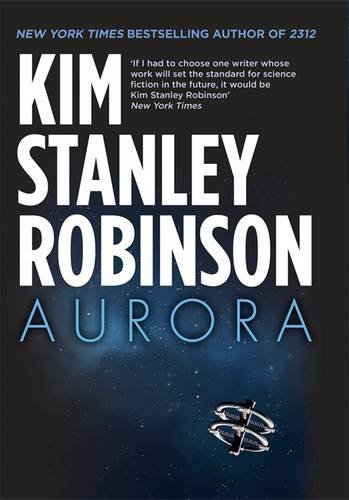
Aurora
Publisher/author page · Amazon
This book has far-reaching ideas and ambitions for exploring our society. Generations ago, a ship was launched to the Tau Ceti system to establish colonies in a habitable system. This book starts with the generation that will finally arrive. We loosely follow the explorations of Freya, the daughter of the chief engineer. She travels throughout the ship, and provides us a way to see the struggles of this microcosm of humans. The book has a few pacing issues, but the stories overcome this and are human and interesting. The challenges that this group faces and the questions of what it means to have a home have stayed with me far longer than many of the books I’ve read recently.
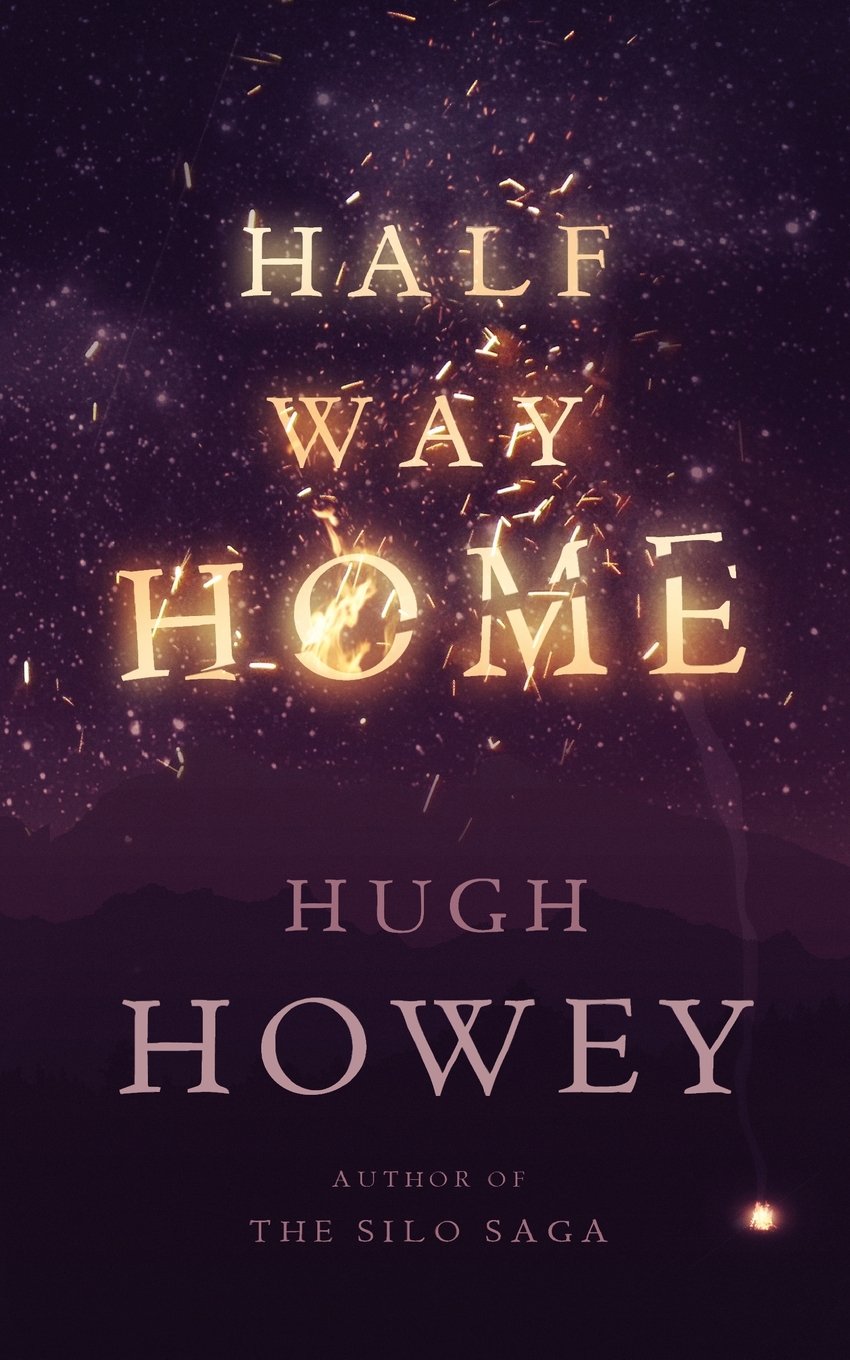
Half Way Home
Publisher/author page · Amazon
A group has arrived on a new planet 15 years too early and with only half of their training. An ad hoc leader named Porter struggles as he realizes his responsibilities on this world. A second group explores the world and begins to uncover the truth of why they are on the planet. This one is written like a screenplay, with good pacing, rapid character development, and a story that moves quickly. It is a short and enjoyable read.
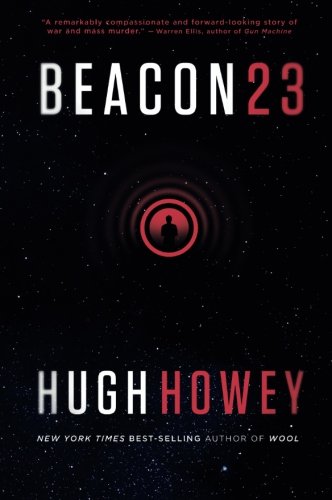
Beacon 23
Publisher/author page · Amazon
This book feels shorter than its 258 pages. It is the story of a lighthouse operator stationed outside an asteroid field along an important trade route. He lives and works in this isolated part of the galaxy, far from wars raging across other inhabited systems. He struggles with his sanity, his history, and the role he plays in the future of humankind. This is an unexpected book that explores his psyche as much as the science. It is a little dark, but the humor and love story carried throughout keep it from becoming too gloomy.
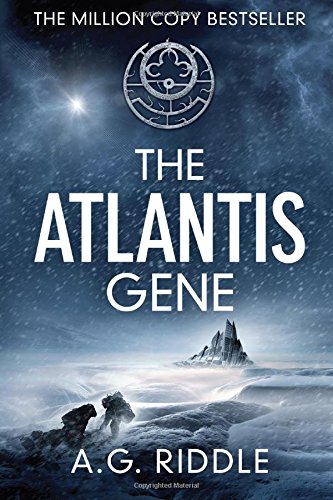
The Origin Mystery (The Atlantis Gene)
Publisher/author page · Amazon
This is a techno-thriller as much as science fiction. The book struggles a little with similar characters that I had to work to keep track of, and this certainly feels like an author’s early work. But the storyline is original and interesting, involving genetic research, the history of humanity, and the possibilities of vast changes in the near future. This is all set in Indiana Jones-style adventure, kidnapping, and diabolical villains and secret societies. It all adds up to light and fast-paced storytelling that I thoroughly enjoyed.
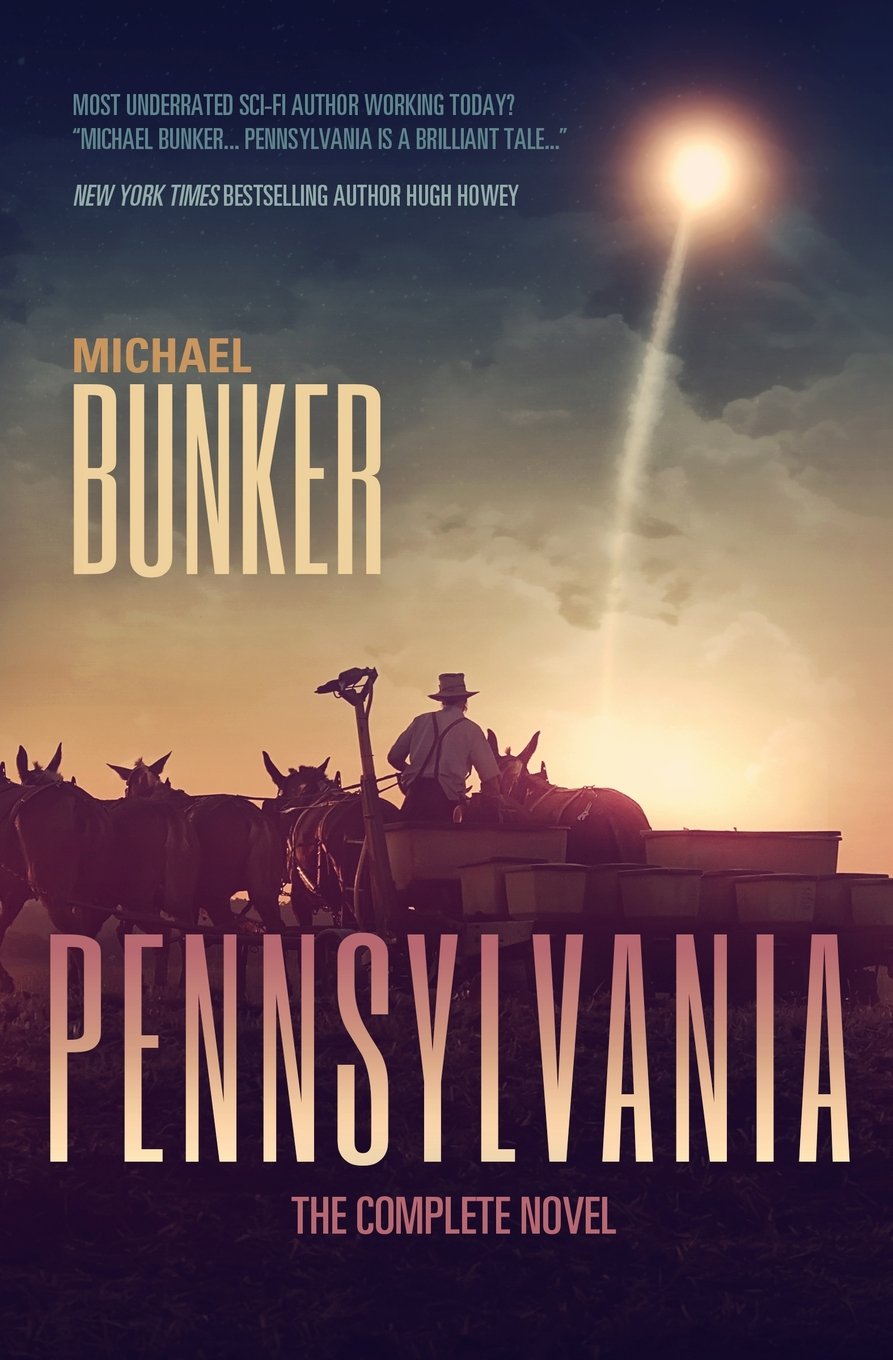
Pennsylvania
Publisher/author page · Amazon
You must think I’m crazy by now. This is an imaginative book that examines our interaction with technology. This is a solid story that takes the protagonist to New Pennsylvania, where the Amish will help settle this new world. This story of settlement has great characters, a little humor, and a fascinating storyline as the protagonist struggles to find his place and the truth about this new reality.
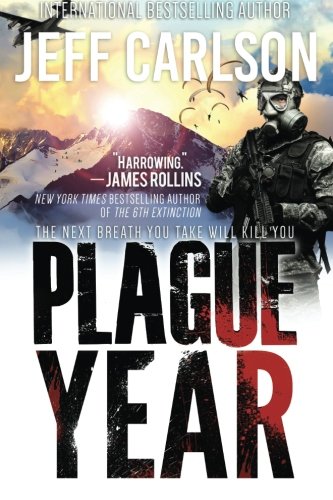
The Plague Year
Publisher/author page · Amazon
Rogue nanotechnology has brought about famine, war, and a horrifying future. Jeff Carlson writes thoroughly enjoyable novels, and while this may not belong on a list of Great Works of Literature, it is a fun book. The main characters travel through civil war and a collapsed civilization to uncover the truth about the plague. We meet interesting pockets of survivors and explore the challenges people face as civilization falls apart. This is the first book of a trilogy, and the entire collection is worth reading. This book in particular would make an exciting movie, which alone makes it perfect for this list.
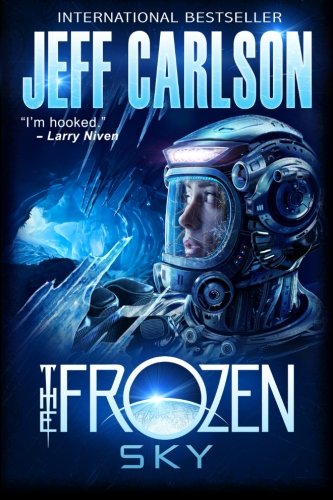
Frozen Sky
Publisher/author page · Amazon
Alexis Vonderach and a team of engineers explore a tunnel system under the ice of Europa. They discover hieroglyphics and an unfathomably strange civilization. It is rare for an author to create an alien that feels completely alien and yet still gives readers something to empathize with. This book captured me, and I read the full trilogy. There is some great science in both the space travel and the technology used to explore Europa, and the details are interesting without becoming overwhelming. The story began in a shorter form, and some of the expanded material does feel like filler. Even so, the overall quality and impression of this book make it a great summer read.
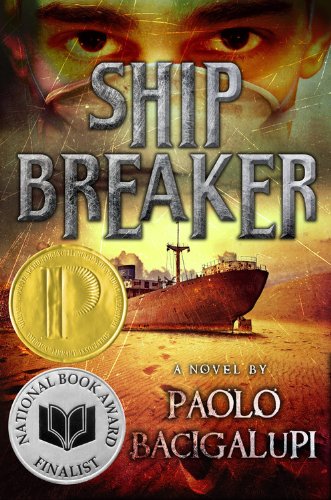
Ship Breaker
Publisher/author page · Amazon
This is a young adult novel, and as such makes this fantastic beach reading! This isn’t a complicated book, and is science fiction almost entirely because of its setting in the dystopian future. In the US Gulf Coast region, abandoned oil tankers are being dismantled for parts. This is the story of a young ship breaker that discovers a boat and a young woman held captive on it. I won’t ruin the rest. Bacigalupi does a great job looking at the extreme poverty of the ship breakers, and tells a worthwhile tale of adventure.
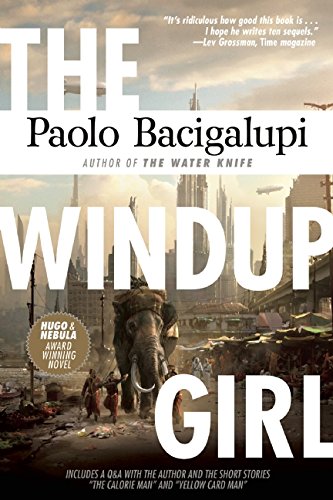
The Windup Girl
Publisher/author page · Amazon
Engineered humans have been created in a distant future Thailand, where industrial society has come crashing down among energy shortages, poverty, and agricultural blight. Calories have become the new currency and measure of wealth, and the gene hacking empires rule the world. This book is gritty and grim, and is the first book I’ve read in a long time that feels like early William Gibson. This book has a complex plot, and complex characters, and forced me to read it over almost a year. I needed time to process it. This post-oil world is fascinating, and his world building is top-notch. The book has several overlapping storylines, and exists in this rich future history that feels both real and authentic. This book is currently a single novel, but leaves enough story open to either frustrate the reader, or excite us for a possible trilogy.
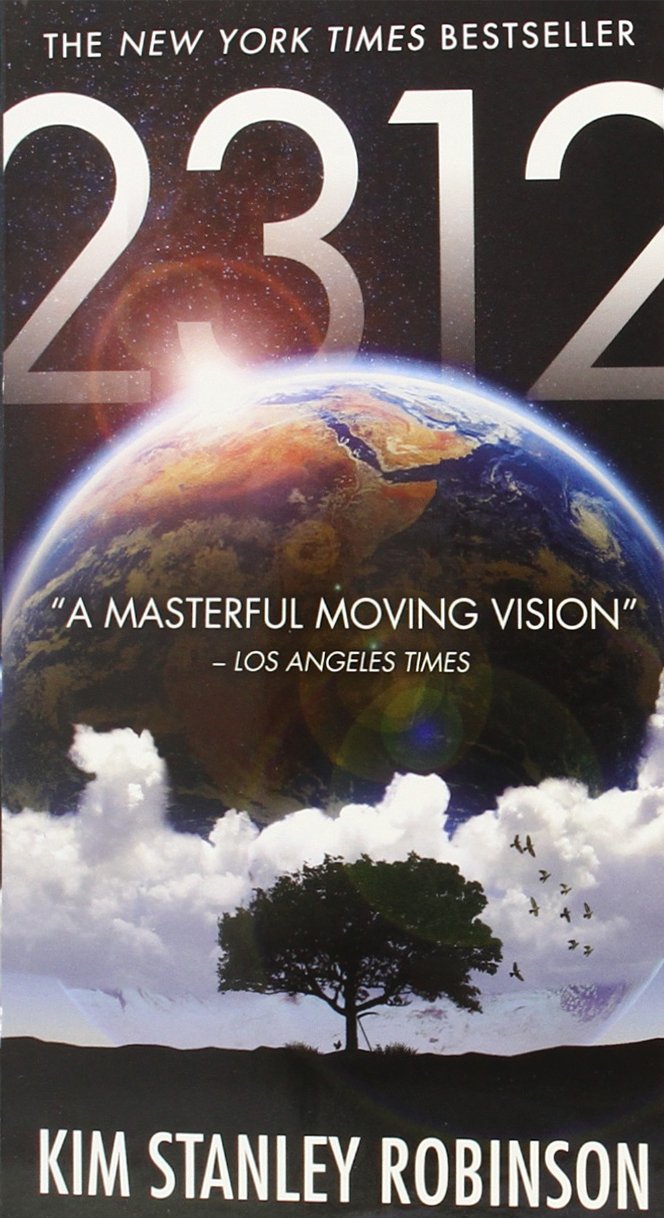
2312
Publisher/author page · Amazon
The book begins with Terminator, a city on Mercury. This is among the harder science fiction on the list, for it is based on world building technology and the technology plays a larger role in the story. The detailed construction of this world is fascinating to me, and serves as a great backdrop for the story of mystery and investigation. This isn’t a book to be taken on lightly, it drags on at times. His exploration of what Earth may be like in 300 years feels authentic. Overall the science and the world building kept this one on my list.