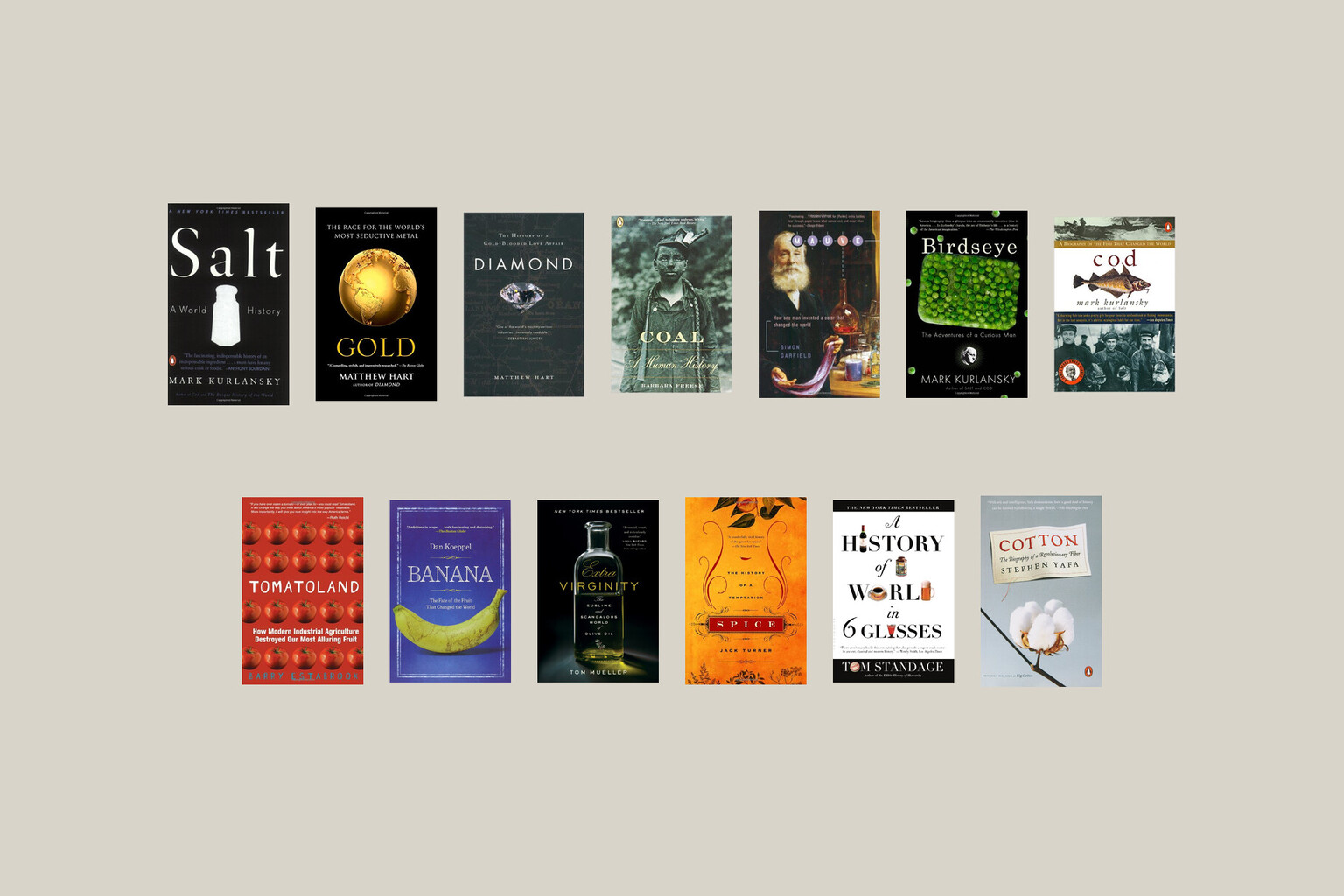
I stumbled into the genre of microhistory through Mark Kurlansky’s Salt. These books take one apparently narrow subject—a mineral, crop, food, color, or manufactured material—and follow it across centuries. The result is a cross-section of economics, technology, politics, geography, and ordinary life that a broader history can easily miss.
Salt is a particularly good example. Its value came from much more than seasoning: preserving food made long voyages and life in difficult climates possible, while mining, taxation, and trade helped shape cities and empires. Starting with one familiar material gives the author a thread to follow through an otherwise enormous story.
I have read and enjoyed every book on this list. They are narrative histories rather than technical references, and most make excellent vacation reading. The strongest produce repeated moments of “I had no idea” while changing how you see something common in the grocery store, workshop, or landscape.
If you enjoy the science and engineering side of these stories, continue with my list of popular science books.
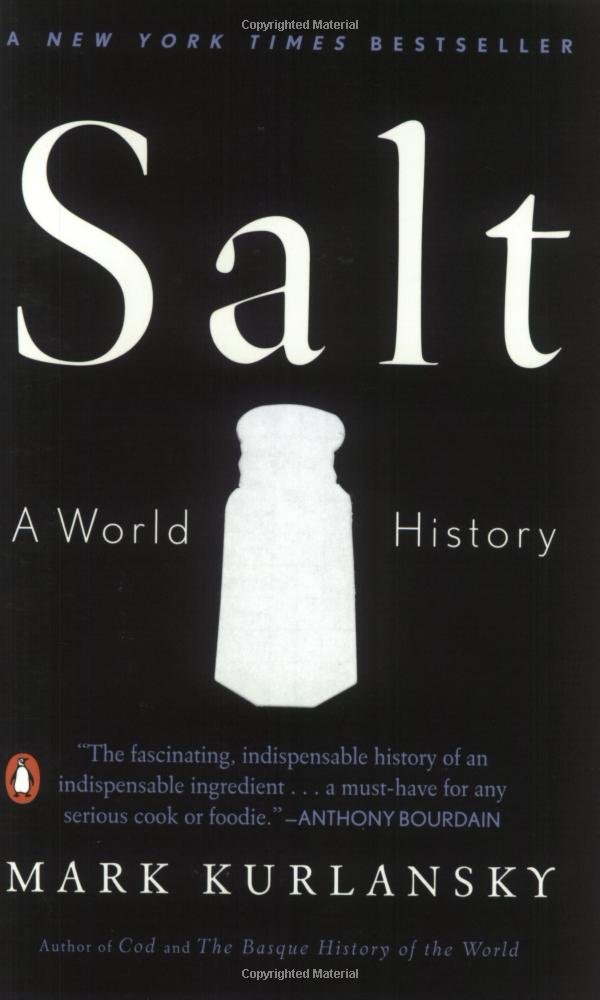
Salt: A World History
Publisher/author page · Amazon
This is the first of this genre that I read. Salt is so common, and so overlooked, that we rarely consider its place in history. In this book, Kurlansky looks at salt as not just a culinary necessity, but as the driver of an economic engine that has shaped society. In particular, the preservation of food has been an important part of human achievement - from early exploration to living in extreme climates. This has made salt incredibly valuable, and as such, we can use the topic of salt to examine early traveling and the development of trade routes. The book is a bit meandering and leaves some of the logical conclusions up to the reader. However, overall the historical detail, fascinating anecdotes, and quality storytelling make this a great introduction to the genre.
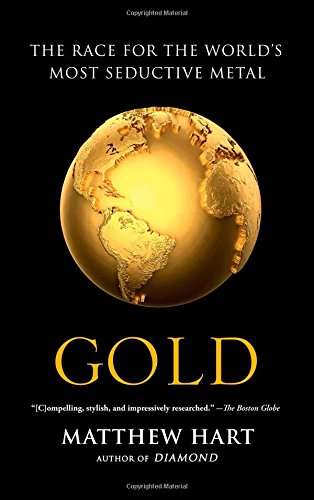
Gold: The Race for the World's Most Seductive Metal
Publisher/author page · Amazon
Diamond and Gold are both written by Matthew Hart. This book travels the world from deep mines in China to the London Gold Exchange. It covers the challenges faced by the early gold miners that drove westward expansion in the United States, and the gold value fluctuations after the 2008 financial crisis. This book is written a bit like a travel book that examines the geology, geopolitics, and economics of gold.
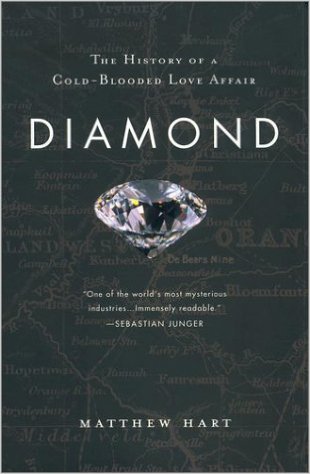
Diamond: A Journey to the Heart of an Obsession
Publisher/author page · Amazon
Another globe-trotting story from Matthew Hart, this book is meticulously researched. The book covers the diamond mines of Africa and the enormously powerful De Beers cartel, and the Canadian diamond mines that are pushing their monopoly. I especially recommend this book if you aren’t familiar with the De Beers cartel and the power that they hold over the global market, and the marketing engine that they created to make diamonds valuable through vanity and greed. Hart is an industry insider, and he brings a great wealth of knowledge to the subject, and makes this an entertaining book.
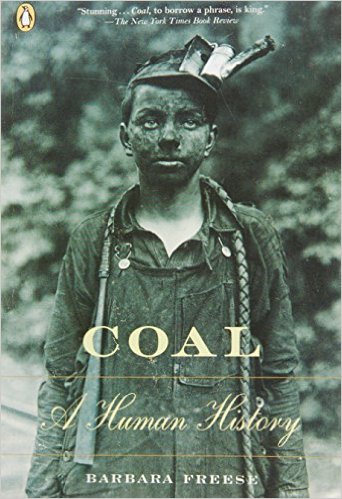
Coal: A Human History
Publisher/author page · Amazon
This book presents the use of coal in the United Kingdom, the United States, and China. From its early use for heating and cooking to modern power plants, coal has been a cheap and transportable source of energy. It was essential to metal smelting during the Industrial Revolution, long before the modern electric kiln—which may itself still draw electricity from a coal-fired plant. Coal heat and power have also made parts of the world habitable that would otherwise be inhospitable. This book is a little chatty at times, but like the others in the genre, it is carefully researched and presented well.
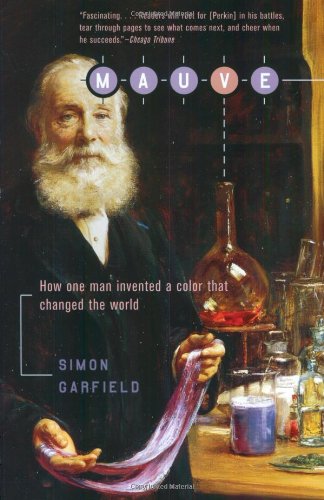
Mauve: How One Man Invented a Color That Changed the World
Publisher/author page · Amazon
In the mid 1800s an eighteen-year-old English chemist accidentally discovered the world’s first synthetic dye. This aniline purple dye, called Mauve, was a big deal in organic chemistry research. It opened the doors for organic chemistry to be viewed as a profitable industry, and pushed the debate of pure versus applied science. Before this discovery all dyes were organic and based on bark or plant extracts. This opened the door for thousands of new color compounds and brought chemistry research to the forefront of technology at the time. An interesting note is that it was made from coal tar - but that’s another book! While not as far ranging as some of the other books on the list, it’s a fascinating story of invention and the birth of an industry.
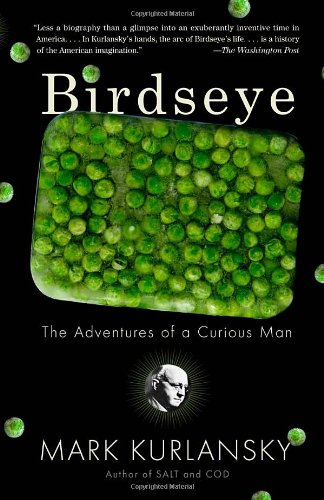
Birdseye: The Adventures of a Curious Man
Publisher/author page · Amazon
A fur trapper in Labrador, Canada, recognized that spoiled food and an unhealthy diet of dried meats was a serious problem. He noticed that fresh vegetables frozen in the cold northern winds froze quickly and in a way that kept them from turning to mush. This book tells the story of Clarence Birdseye as he develops the technology that gave birth to the modern frozen food section of the grocery store. Birdseye was a character - he had an insatiable appetite for learning and a real knack for entrepreneurship. The book is part biography and part history of frozen food.
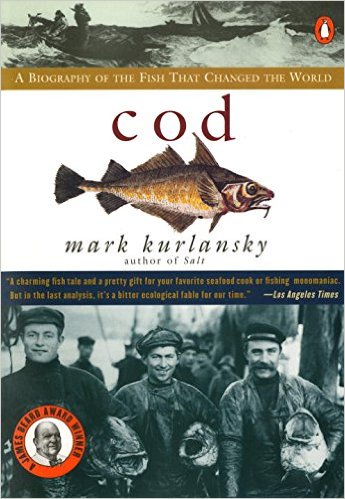
Cod: A Biography of the Fish that Changed the World
Publisher/author page · Amazon
This may be the strongest book from Kurlansky. What starts as a story of salted cod making long-distance seafaring possible turns into a dramatic warning about overfishing and dwindling fish stocks. This is an amazing story of the impact we’ve had on our oceans, and a grand tale of exploration and the history of this fish.
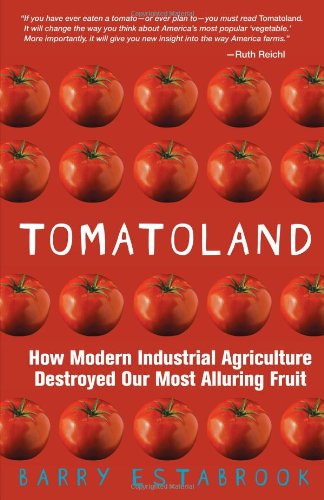
Tomatoland: How Modern Industrial Agriculture Destroyed Our Most Alluring Fruit
Publisher/author page · Amazon
My love of this book is a little personal—I have fond memories of eating tomatoes off the vine at my grandparents’ house. In the book we travel to Peru in search of the original tomatoes and trace how the tomato grew from a small regional fruit into a global business worth billions of dollars. The story ranges from abusive labor conditions in Florida to the agribusiness technology used to develop tomatoes that can survive long-distance shipping. When you’re done with this book, you’ll look forward to planting your own tomatoes and becoming something of a historian yourself.
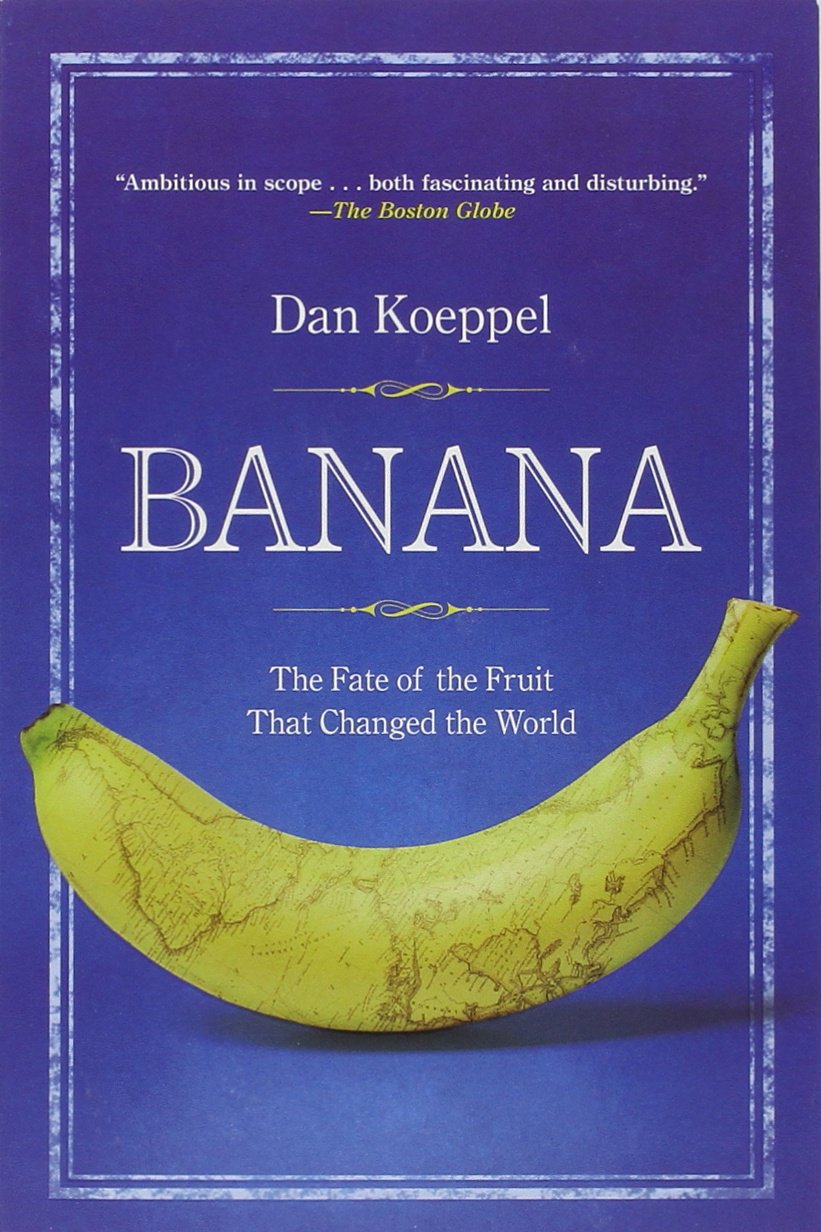
Banana: The Fate of the Fruit That Changed the World
Publisher/author page · Amazon
If you’ve ever heard the term “banana republic”, but haven’t had the backstory - this is the book that will explain it. It covers the rise of the banana business, the toppling of empires, and the search for the next banana. It examines the trouble that the Cavendish banana is facing due to our nearly global monoculture of clones. This book is filled with interesting anecdotes explaining the historical and political ramifications of the banana industry.
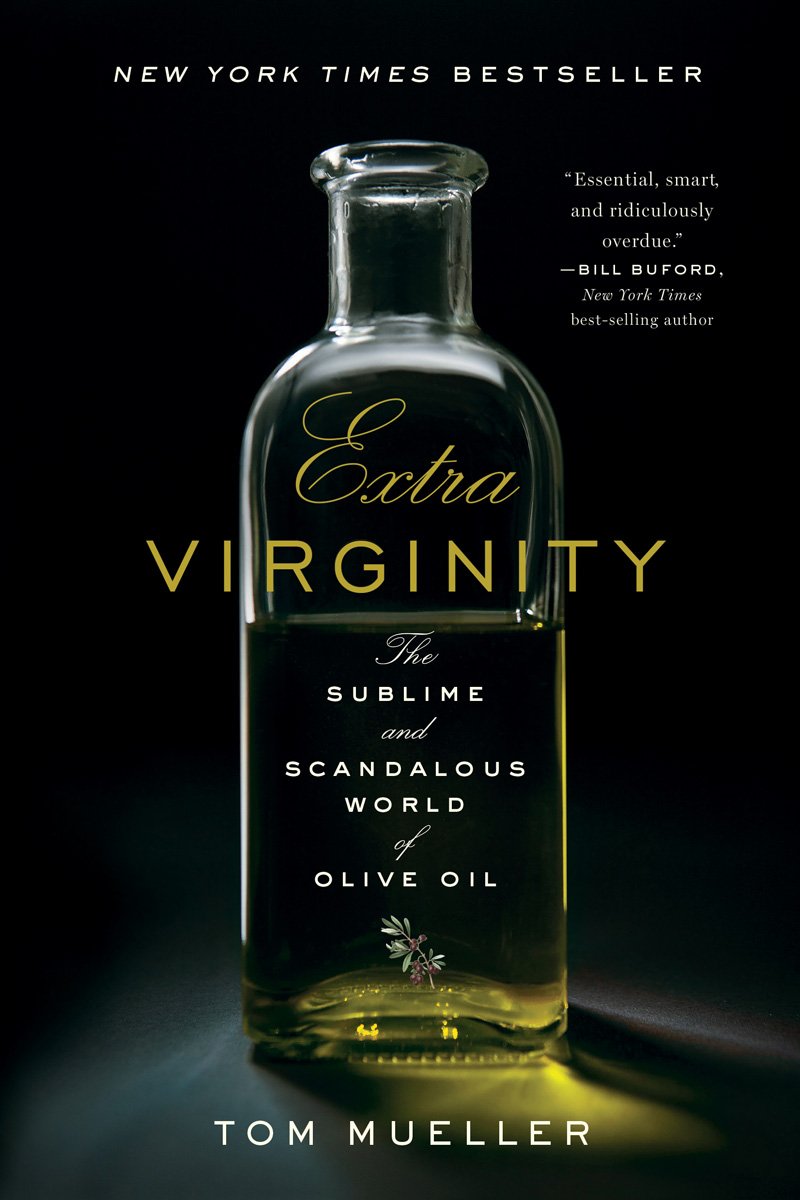
Extra Virginity: The Sublime and Scandalous World of Olive Oil
Publisher/author page · Amazon
Short version - it’s incredibly corrupt. The rise of gourmet food, the popularity of olive oil in beauty products, and the modern commodity market has put the olive oil industry under harsh pressure to produce. The industry has been deeply affected by organized crime and corruption, with adulterated oil and smuggling. The book reads like a crime novel at points, and is worth reading even if you aren’t a foodie.
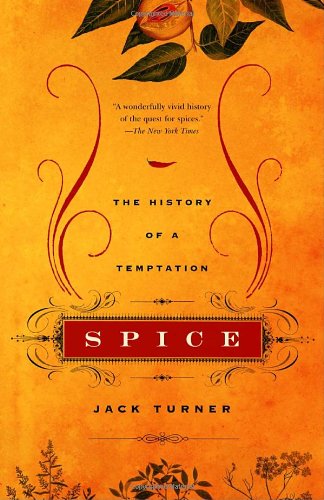
Spice: The History of a Temptation
Publisher/author page · Amazon
The history of the spice trade is in some ways the story of human exploration. Columbus was sailing in search of pepper; the history of exploration from Europe is deeply entwined with the history of spice. Empires were built on top of the spice trade. Spices were used as medicine, seasoning, and in religious practices, and the demand for them took Europeans to every corner of the world. This book is one of the easiest to read on this list.
A History of the World in 6 Glasses
Publisher/author page · Amazon
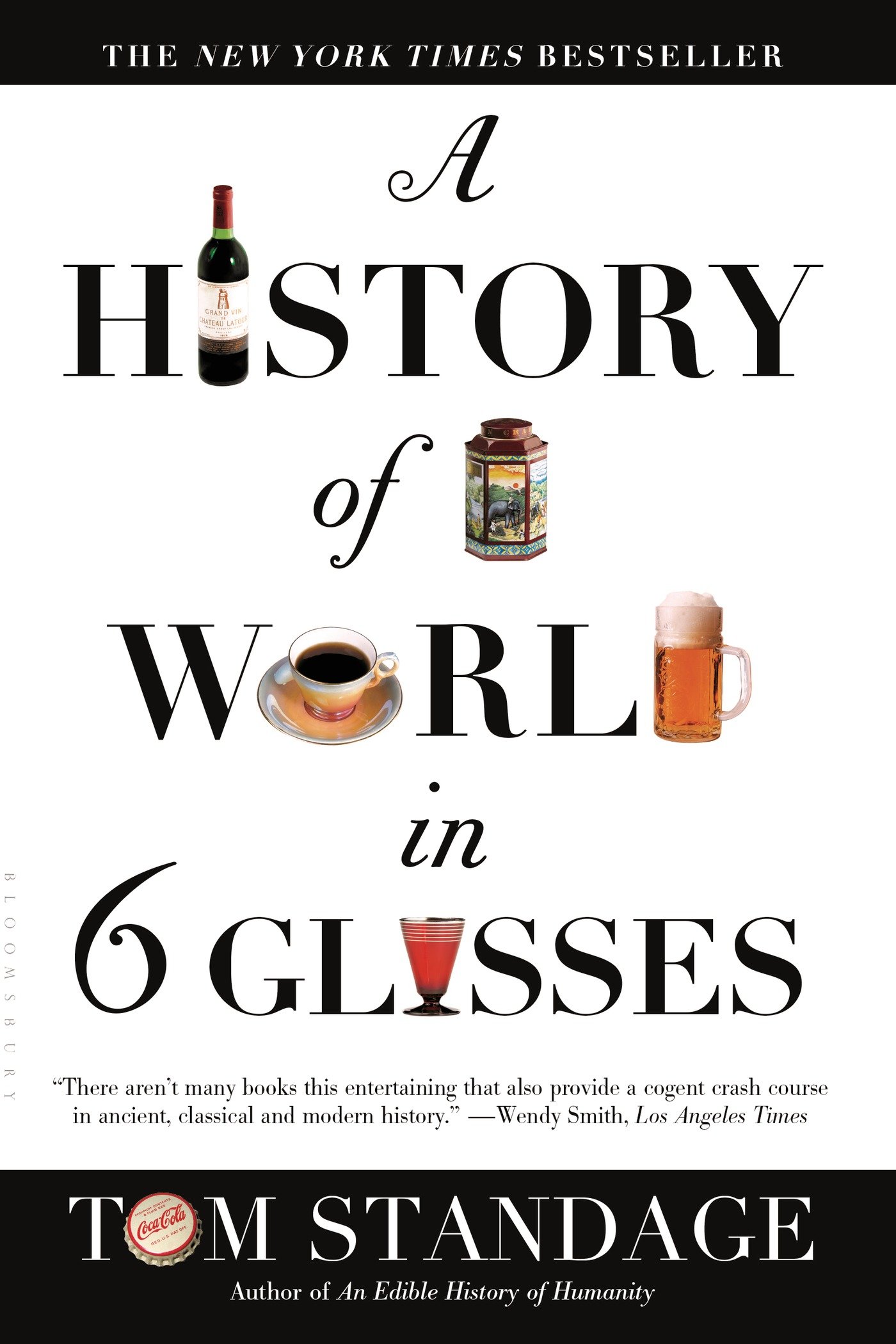
Beer, wine, spirits, coffee, tea, and cola: the history of the world through six beverages. From the use of beer as a way to preserve drinking water to using rum as payment during seafaring voyages to the importance of coffee during the Age of Reason in Europe, these drinks have had an effect on our culture. In this book, each drink is treated as a sort of technology, and then used to explore the larger historical context around them. The book touches on modern globalization through the lens of Coca-Cola and the cultural influence that it has had. This book is full of pop-culture information, and may surely make you enjoy your next IPA just a little more.
Cotton: The Biography of a Revolutionary Fiber
Publisher/author page · Amazon
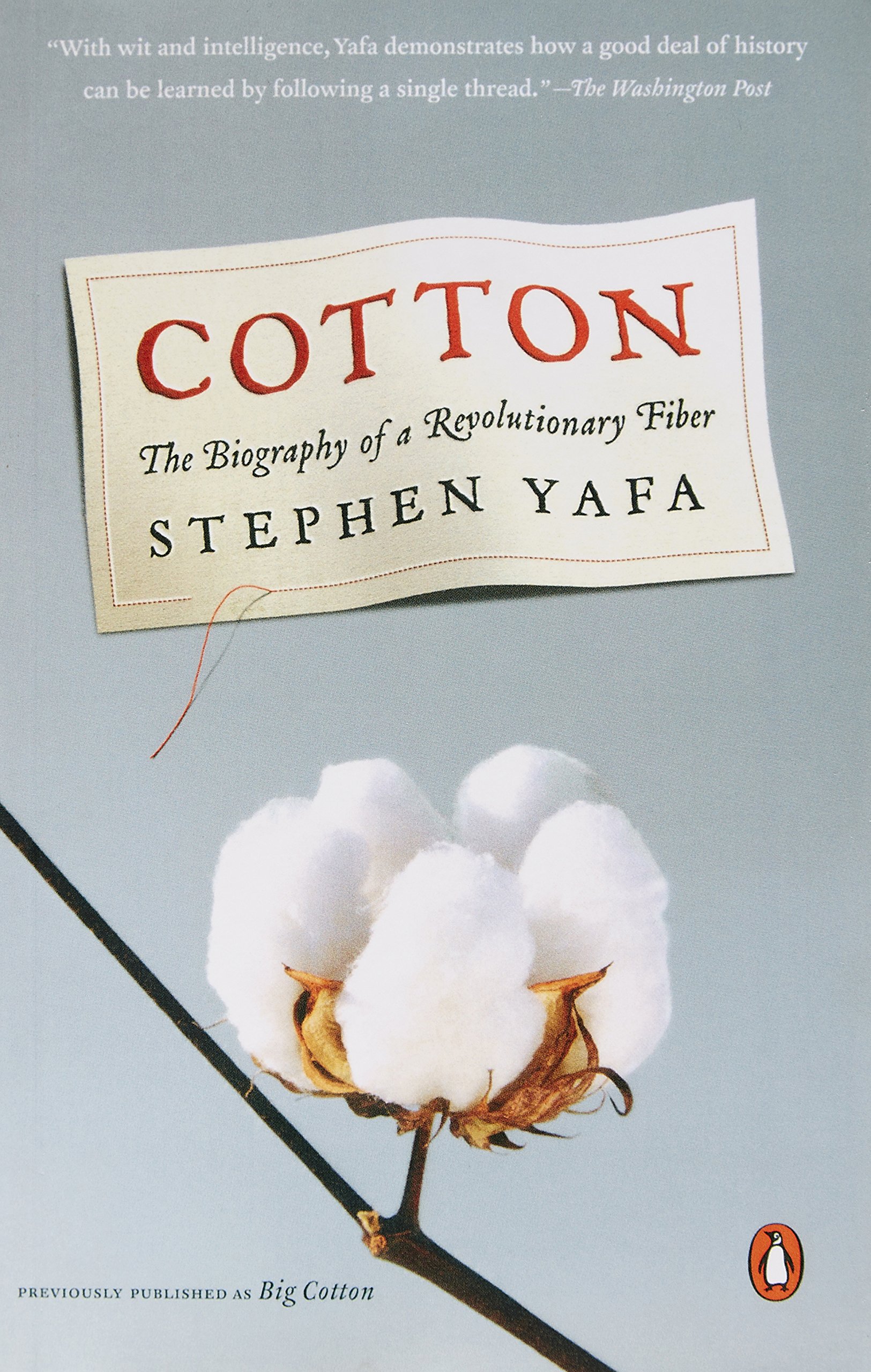
Said to be the most powerful cash crop in the world, cotton has a long history from early domestication almost 6,000 years ago. This book looks at the economic turmoil that the cotton market has experienced as technology has changed. Yafa writes about the American Civil War and the part that cotton and cotton plantations played in that conflict, and he covers the modern driving factors of the industry including modern farming techniques and the complicated cotton trade.