
Why developers should learn about business
Technical skills are the backbone of software development, but our code always exists inside a larger organization. Understanding business, leadership, motivation, and strategy makes it easier to see why a project exists, communicate with the people around it, and make better technical decisions.
Business vocabulary also makes conversations with nontechnical colleagues easier. It helps connect technical initiatives to organizational goals and gives developers more context when they move into leadership, participate in strategy, or build a company of their own.
These are books I have read and personally recommend. I accumulated them over the years, often after recommendations from managers and other leaders I worked with. They cover several kinds of growth: learning the mechanics of business, leading people, understanding motivation, protecting focused work, and navigating a changing career.
For adjacent reading, see my guides to product management books for software developers and software engineering continuing education.

The First 90 Days
Publisher/author page · Amazon
This is a thoughtful guide for professionals transitioning into new leadership roles. Watkins outlines a comprehensive strategy for navigating the critical initial phase of starting a new role. He emphasizes understanding the organizational culture, building key relationships, and forming a clear plan to achieve early wins. The book provides actionable advice and real-world examples for anyone trying to make a successful transition. It is particularly relevant for software developers moving into leadership because it emphasizes adapting your skills and approach to a new environment.
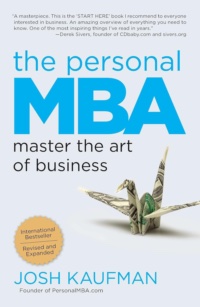
The Personal MBA
Publisher/author page · Amazon
This is a comprehensive guide that distills essential business principles for readers who want a practical understanding of how a company works. Kaufman introduces finance, marketing, strategy, and decision-making, providing a useful foundation for participating in business discussions. It is particularly valuable for software developers working where technical decisions intersect with business objectives.
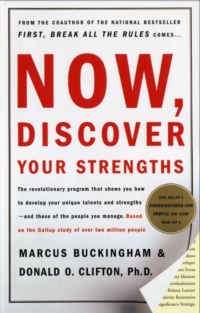
Now, Discover Your Strengths
Publisher/author page · Amazon
The book emphasizes the idea that focusing on one’s strengths, rather than trying to fix weaknesses, is the key to personal and professional success. It encourages readers to shift their perspective and embrace what they excel at, as this can lead to increased productivity, satisfaction, and overall well-being.

Search Inside Yourself
Publisher/author page · Amazon
Search Inside Yourself explores the intersection of mindfulness and emotional intelligence in the workplace. It offers a practical way to develop self-awareness, empathy, and leadership skills through meditation and reflection. The book contains useful ideas for improving personal well-being as well as collaboration, communication, and creativity at work.

Radical Candor
Publisher/author page · Amazon
This book offers a framework for giving team members feedback that is honest, direct, and caring. Kim Scott emphasizes the importance of strong working relationships and offers practical advice for encouraging open communication and professional growth. It provides useful tools for collaboration and problem-solving.

Getting Things Done
Publisher/author page · Amazon
This is a productivity and time management classic that offers a comprehensive system for organizing tasks and reducing mental clutter. The method is based on capturing commitments, tasks, and ideas in a system where you can process them deliberately. These techniques can improve focus by reducing the cognitive load associated with task switching. That is especially useful during complex software projects where you may be juggling several simultaneous tasks. The book can help you free some mental bandwidth for the work itself.

The Progress Principle
Publisher/author page · Amazon
The Progress Principle examines motivation and creativity in the workplace. Amabile and Kramer show how making progress in meaningful work, including small incremental steps, can be a powerful source of motivation. The book connects daily progress with job satisfaction and productivity. It is a valuable reminder that steady progress can drive both innovation and a better working experience.
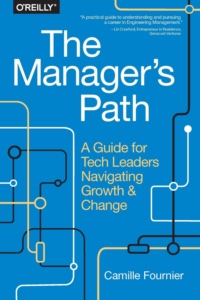
The Manager's Path
Publisher/author page · Amazon
This book offers a practical roadmap for aspiring and current technology managers. It follows the stages of a manager’s career from individual contributor through senior leadership. Camille Fournier presents the challenges and responsibilities at each stage, with useful advice about communication, team building, and decision-making. For a developer considering a management path, this can be a valuable guidebook.
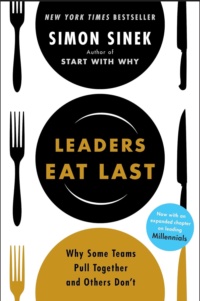
Leaders Eat Last
Publisher/author page · Amazon
This book explores the impact leadership has on organizational culture and employee well-being. Sinek argues that good leaders prioritize the needs of their teams, creating the trust and safety that support collaboration and innovation. He emphasizes empathy, selflessness, and a commitment to the long-term success of both individuals and the organization.
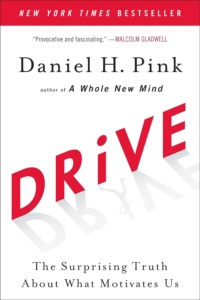
Drive
Publisher/author page · Amazon
This book was ahead of the curve in 2011. It explores the science of motivation and argues that traditional reward-and-punishment approaches are poorly suited to modern work. Pink contends that intrinsic motivation, fueled by autonomy, mastery, and purpose, is more effective for complex tasks that require creativity and problem-solving. The book explains how individuals and organizations can use these principles to encourage motivation and improve performance. It offers a useful perspective on both personal and professional growth.
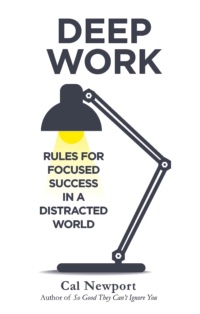
Deep Work
Publisher/author page · Amazon
If you are hoping to maximize productivity and creativity, this book is a good place to start. In today’s distracted world, deep work is harder than ever to accomplish. Newport argues that the ability to focus without distraction on cognitively demanding tasks is becoming increasingly rare and valuable in our digital age. He presents practical strategies to cultivate deep work, emphasizing the importance of structured routines, eliminating shallow work, and harnessing the power of deliberate practice to achieve true mastery.

Flow
Publisher/author page · Amazon
Csikszentmihalyi delves into the state of flow, where individuals are fully engaged and immersed in an activity. Being in a flow state leads to increased happiness and productivity. Drawing from research, he outlines the conditions and principles that facilitate achieving and maintaining this state, emphasizing the importance of clear goals, immediate feedback, and the balance between skills and challenges. The book serves as a comprehensive guide for harnessing the power of flow to enhance creativity, satisfaction, and overall well-being in life.

Accelerate This!
The book offers a perspective on how innovations in renewable energy and disruptive technologies can change our energy landscape. It emphasizes the urgency of accelerating their adoption to combat climate change and presents a vision for a more sustainable future. This is perhaps the outlier on the list, but I have included it for its discussion of disruptive industries.
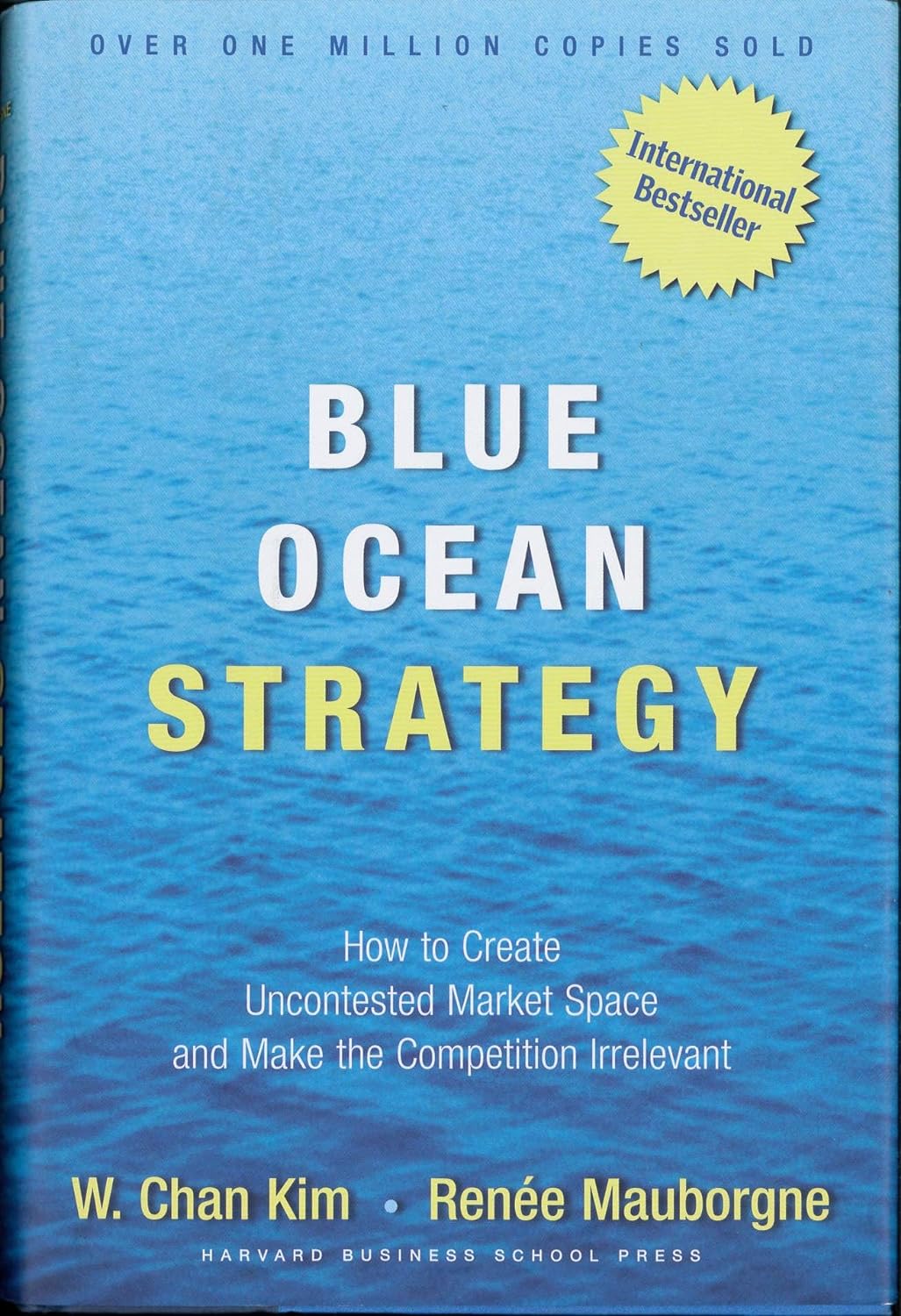
Blue Ocean Strategy
Publisher/author page · Amazon
In this business strategy classic, W. Chan Kim and Renée Mauborgne challenge competition-based thinking. They argue that companies can create uncontested markets, or “blue oceans,” through a different value proposition instead of fighting over an overcrowded “red ocean.” The book offers a systematic way to find new market opportunities, differentiate a business, and pursue sustainable growth.