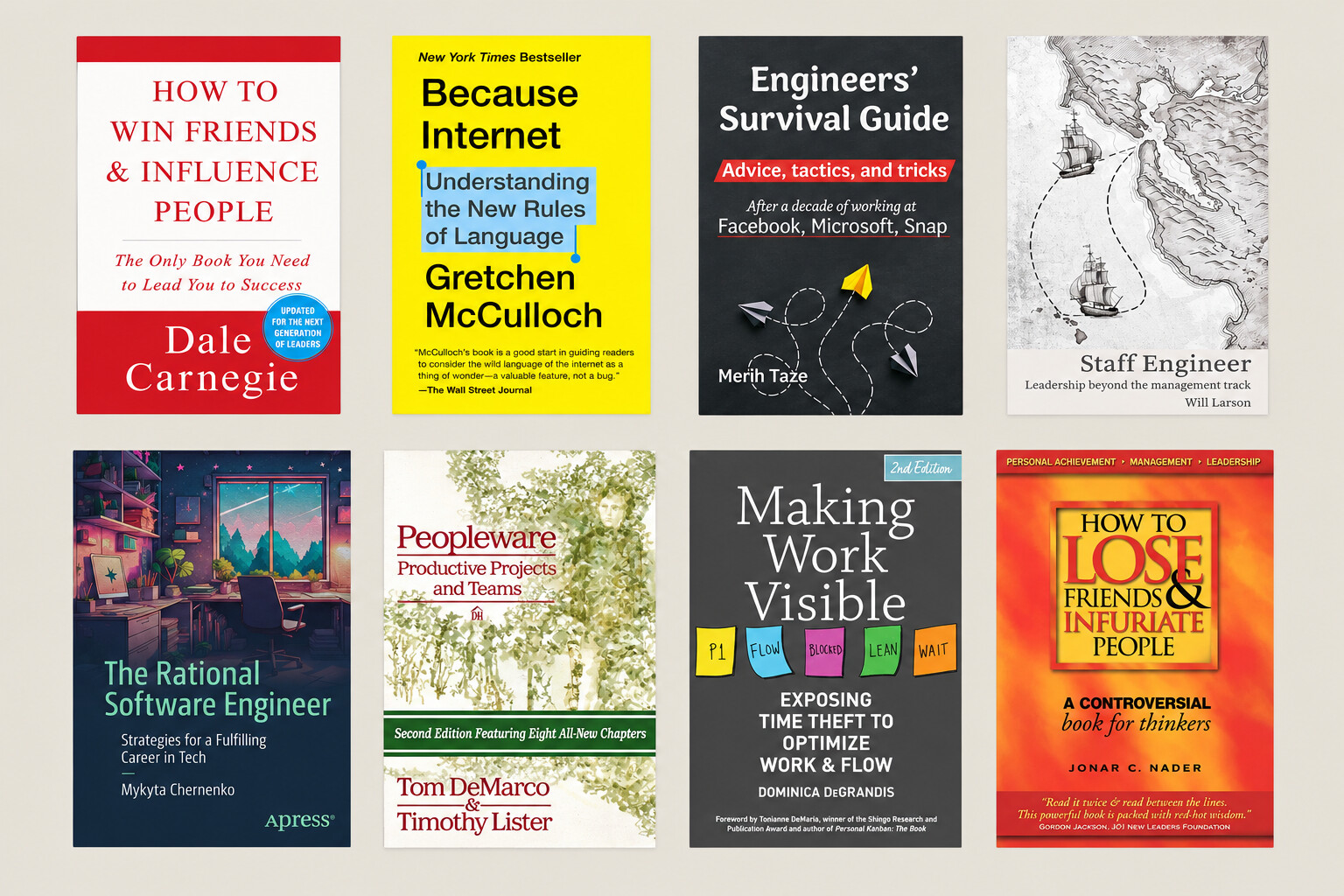
A pull request is waiting for an answer. Two developers disagree about the approach, and another explanation of the code hasn’t helped. Before the work can move forward, someone needs to understand what’s behind the disagreement.
These books look at that part of software development: listening, explaining your thinking, asking for help, and working through decisions with other people. Some are written specifically for engineers. Others have something to offer when you’re trying to understand the person on the other side of a conversation.
For a broader view of organizations and management, see Business and Leadership Books for Software Developers.
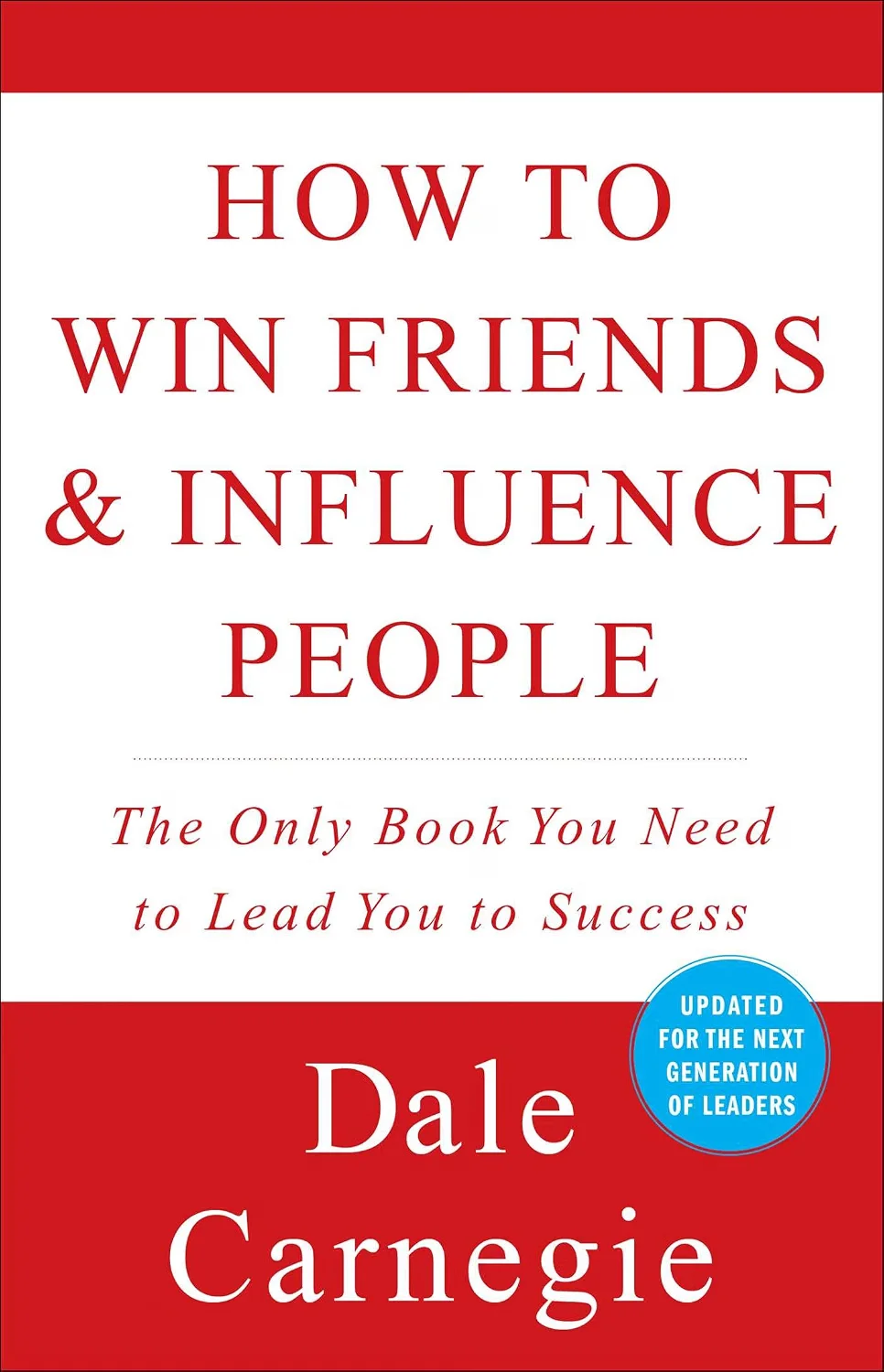
How to Win Friends and Influence People
Publisher/author page · Amazon
Carnegie’s advice centers on taking an interest in other people, listening, and considering their point of view. Those habits belong in engineering conversations as much as anywhere else. Understanding a colleague’s concerns can make a design discussion more productive, and sincere appreciation helps people recognize the value of their work. The useful application is to build respectful relationships through curiosity and attention, while leaving room for honest disagreement.
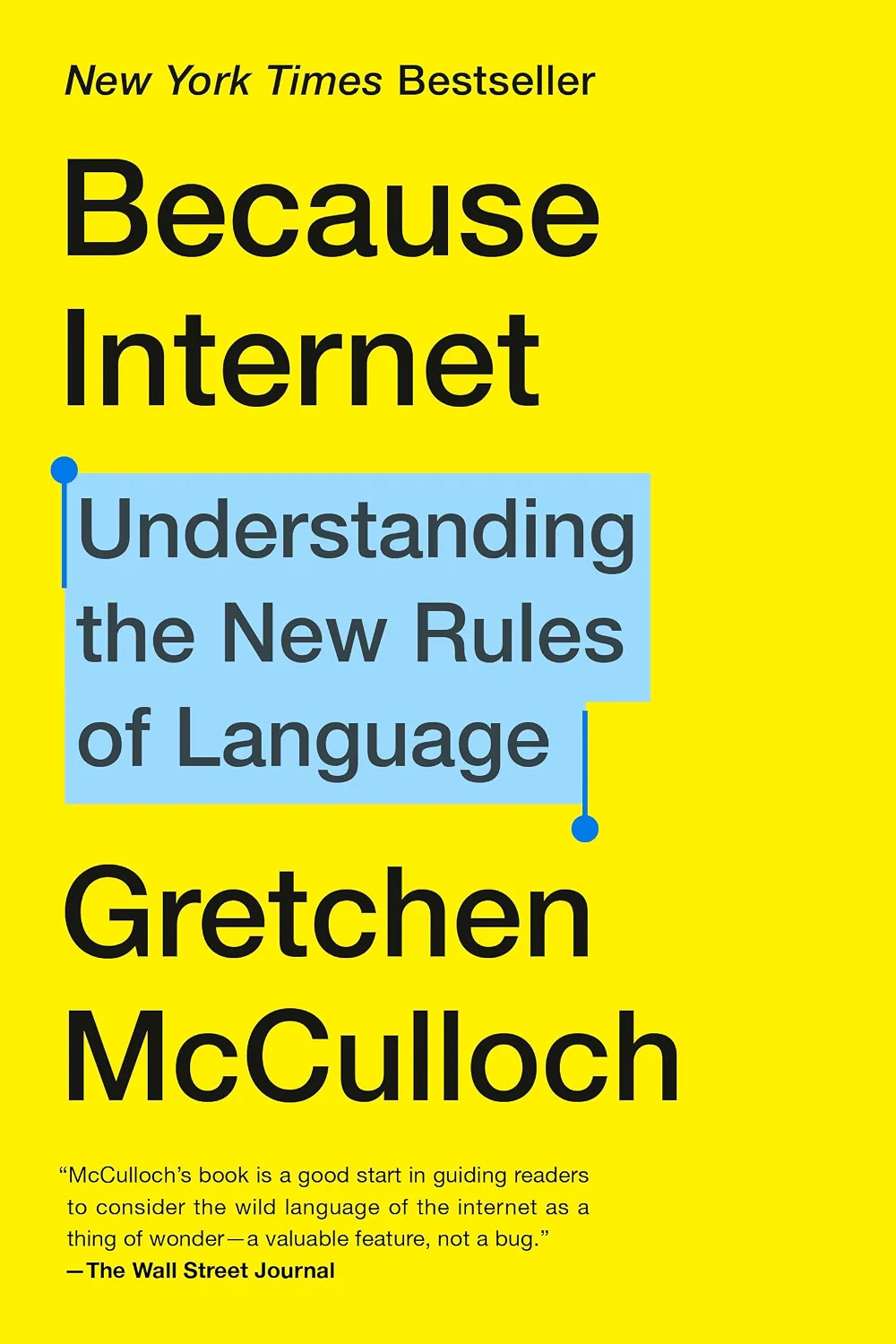
Because Internet
Publisher/author page · Amazon
A great deal of software development happens in writing: chat messages, pull request comments, issue descriptions, and design discussions. Because Internet explores how language changes online, including the ways punctuation, emoji, and our different experiences of the internet shape meaning. It is a book about linguistics rather than workplace etiquette. This is particularly useful for those of us working remotely who deal with the ambiguity of nearly context-free text messages. For developers, that makes it an interesting way to think about why a message that sounds ordinary to its author can land very differently with a teammate. The connection to code reviews is ours to make, but the question is useful: what tone will someone else hear?
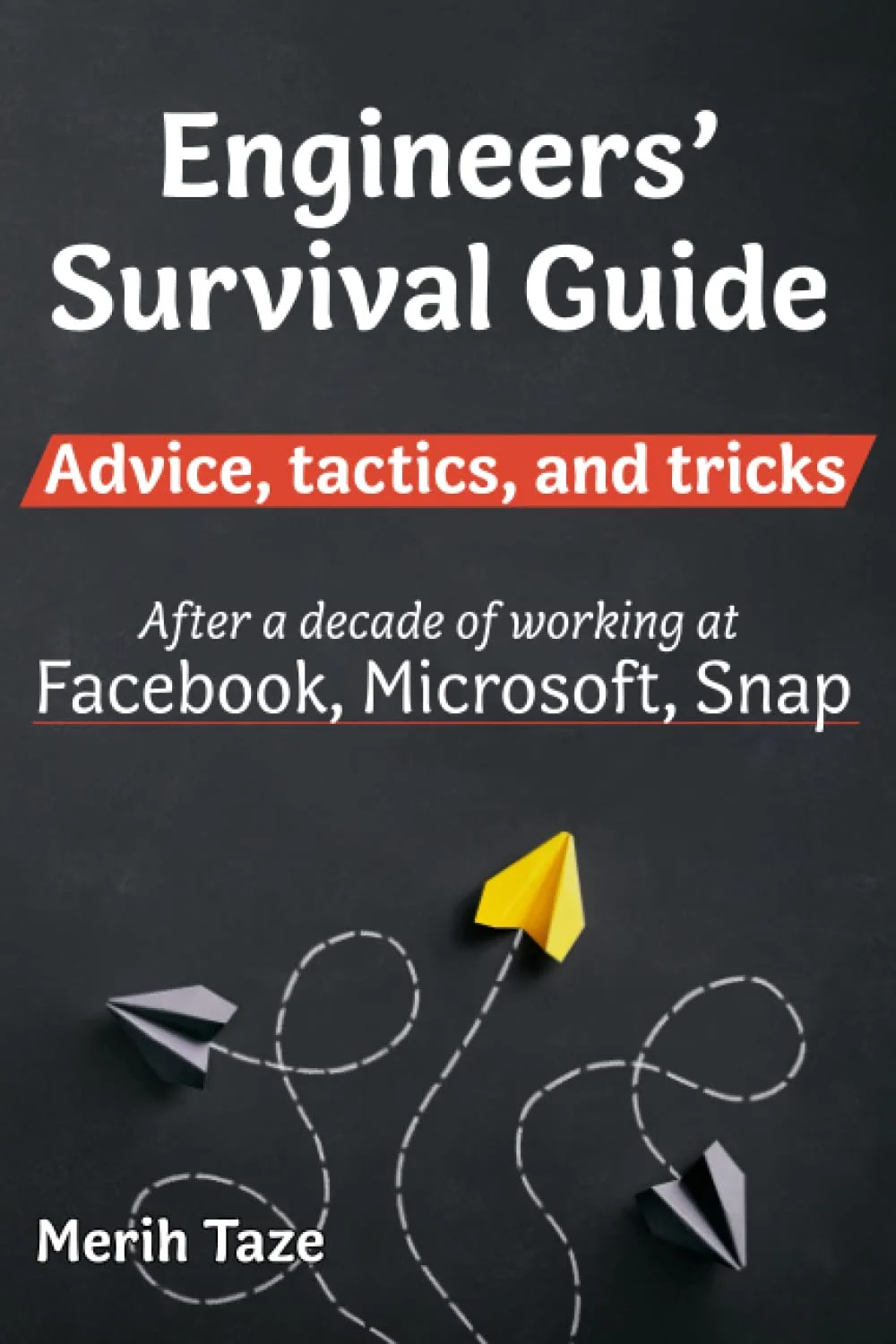
Engineers' Survival Guide
Publisher/author page · Amazon
Merih Taze draws on his experience at Microsoft, Snapchat, and Facebook to discuss the parts of an engineering career that technical books tend to leave out. Working with managers, asking for help, handling feedback, and navigating disagreement all belong here. This is the most directly software-focused starting point in this list. Its advice comes from particular workplaces, so readers should consider which tactics suit their own team rather than treating every suggestion as a universal rule.
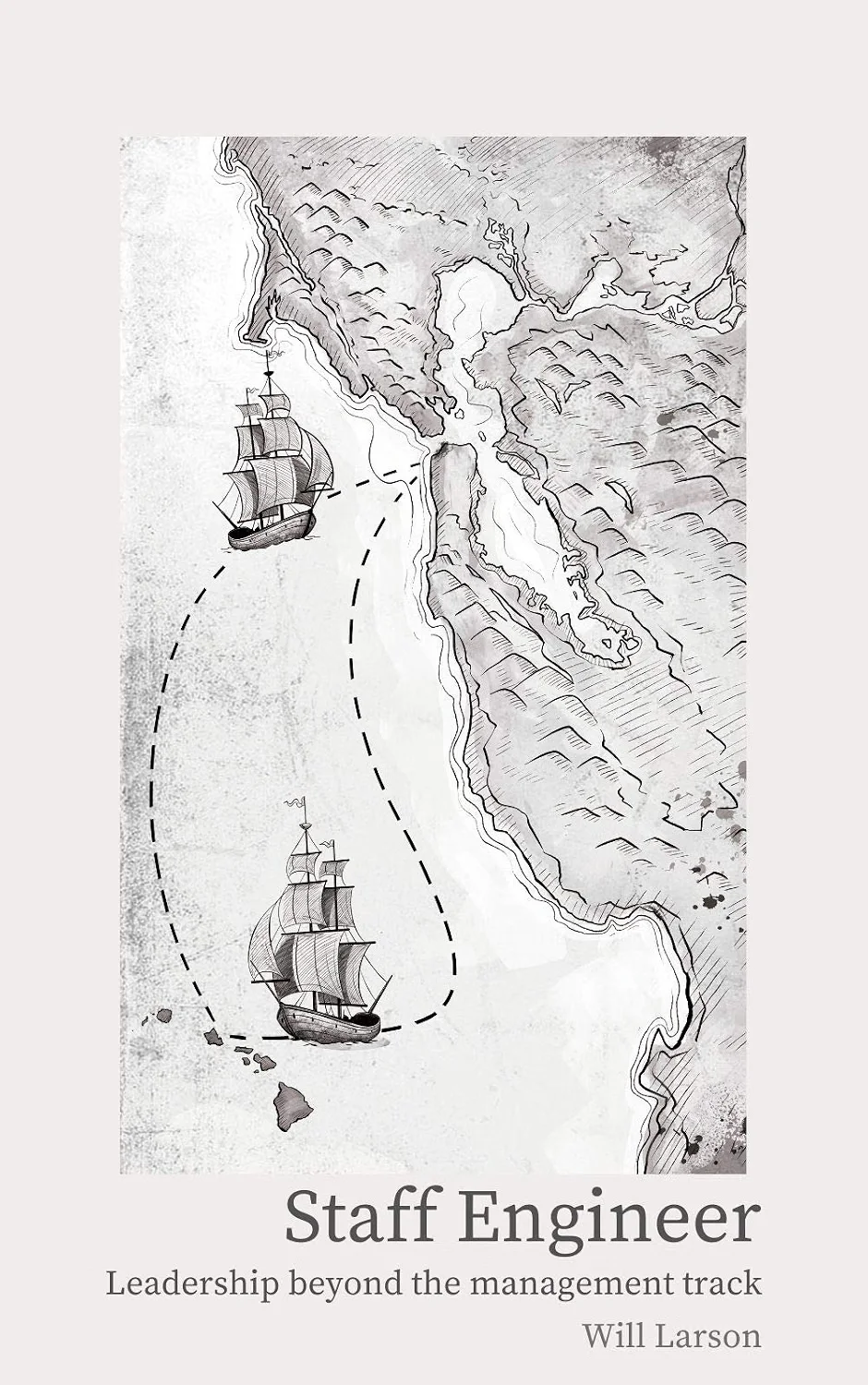
Staff Engineer
Publisher/author page · Amazon
Technical leadership involves helping other people make progress. Larson explores the staff engineering path through guides and interviews with engineers who have taken it. The book considers what these roles involve, how they differ between organizations, and how to approach the transition from senior engineer. For this list, its value is the attention it gives to working through relationships and organizational context. It offers a useful perspective on contributing beyond your own code while remaining an individual contributor.

The Rational Software Engineer
Publisher/author page · Amazon
A sustainable engineering career takes more than keeping up with tools. Chernenko considers motivation, collaboration, learning, and the choices that shape satisfaction at work. The book also addresses burnout and handling failure, giving this list room to consider the person doing the work alongside their contribution to a team. It is a useful fit for developers taking stock of their working habits and deciding what they want from the next stage of their career.
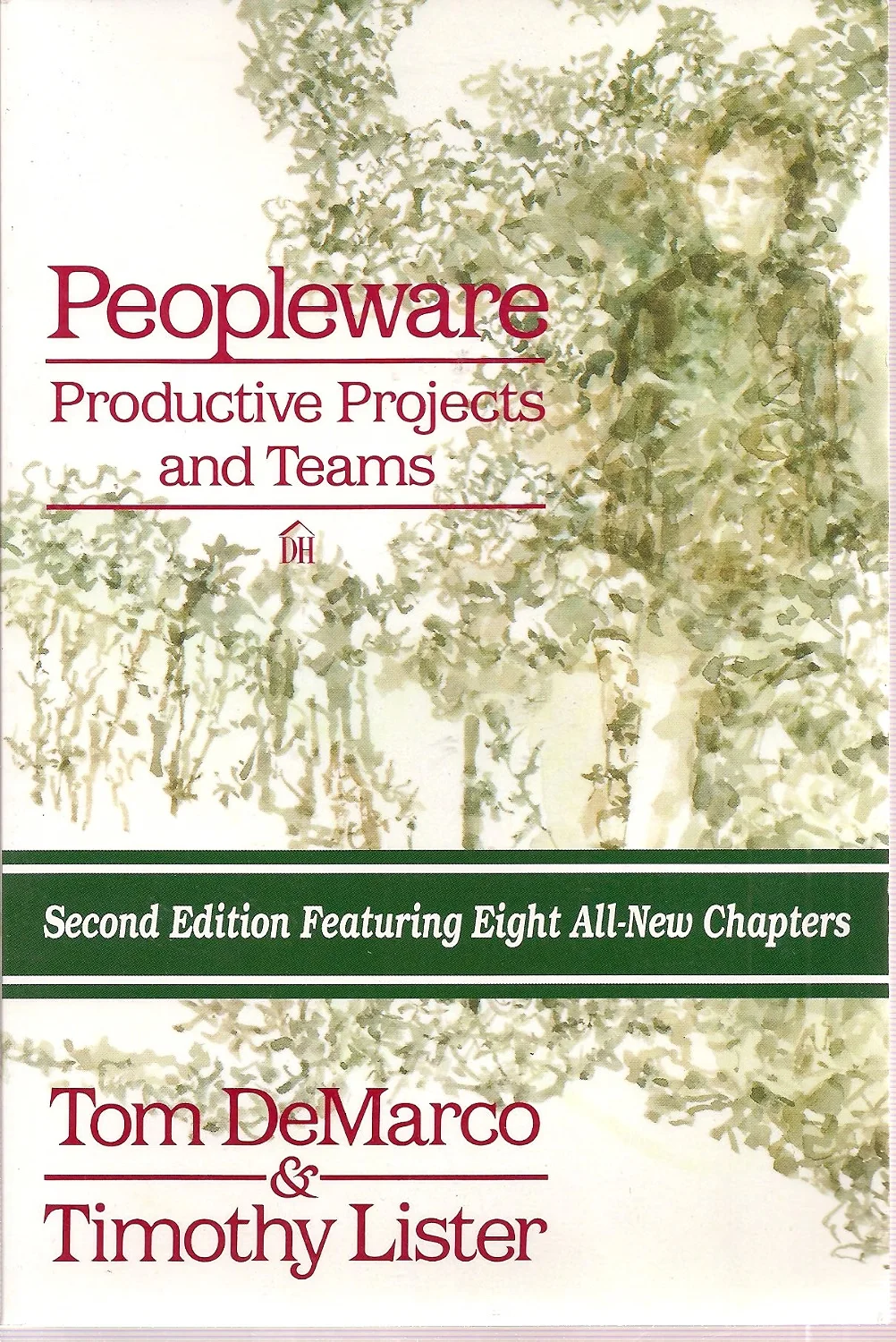
Peopleware
Publisher/author page · Amazon
Peopleware examines the human conditions that help software teams succeed. Its focus on working environments, team relationships, and organizational habits makes it a useful companion to books about individual communication skills. Developers can learn to listen and give thoughtful feedback, but they also need an environment that allows people to concentrate and work together. This book gives readers a way to examine those conditions and discuss the obstacles their team faces.
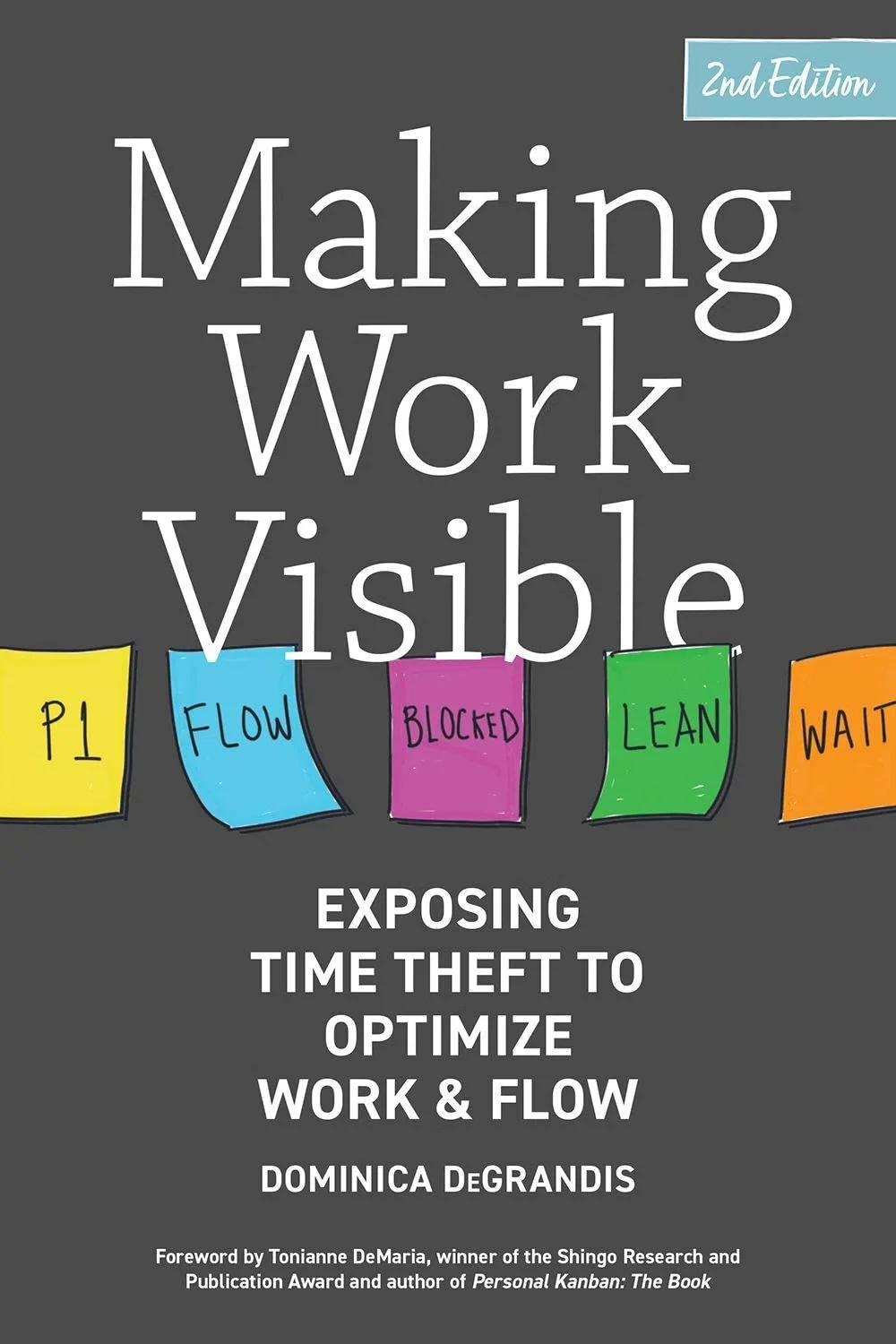
Making Work Visible
Publisher/author page · Amazon
Collaboration gets harder when nobody can see how much work is already underway. DeGrandis examines the demands that consume a team’s time, including competing priorities, dependencies, and unplanned work. Making those demands visible gives people something concrete to discuss when deciding what to start, what to finish, and what needs to wait. The connection to soft skills is the conversation that follows: explaining capacity, negotiating commitments, and asking for help before an overloaded team misses another promise.

How to Lose Friends and Infuriate People
Publisher/author page · Amazon
Nader offers a provocative companion to Carnegie, questioning familiar advice about patience, agreement, and avoiding conflict. The useful question for developers is when a difficult conversation needs to happen even if it makes someone uncomfortable. Setting boundaries around time, challenging an assumption, and raising an unpopular concern can all serve a team. Read alongside Carnegie, this book opens a discussion about balancing consideration for others with the willingness to speak plainly when something needs to change.