
I have collected sixteen of my favorite nonfiction books here. They cover mathematics, physics, engineering, design, medicine, cryptography, and the history of scientific discovery, but all of them are approachable enough for casual reading. They are introductions and stories rather than textbooks; none requires taking notes or arriving with much technical background.
I first read several of these in high school, and they had a lasting influence on the way I think about science and engineering. Chaos sent me off to build a Lorenzian waterwheel from Lego. Henry Petroski taught me to look at ordinary objects as records of design decisions and failures. Oliver Sacks and Rebecca Skloot showed how inseparable scientific progress can be from the people affected by it.
I have read and enjoyed every book on this list. Many remain on my bookshelf, and I have bought additional copies of several to give as gifts. Some scientific details and historical interpretations have naturally moved on since these editions were published, but the books remain worthwhile introductions to their subjects.
For more books that use a narrow subject to illuminate a much larger story, see my list of single-topic history books.
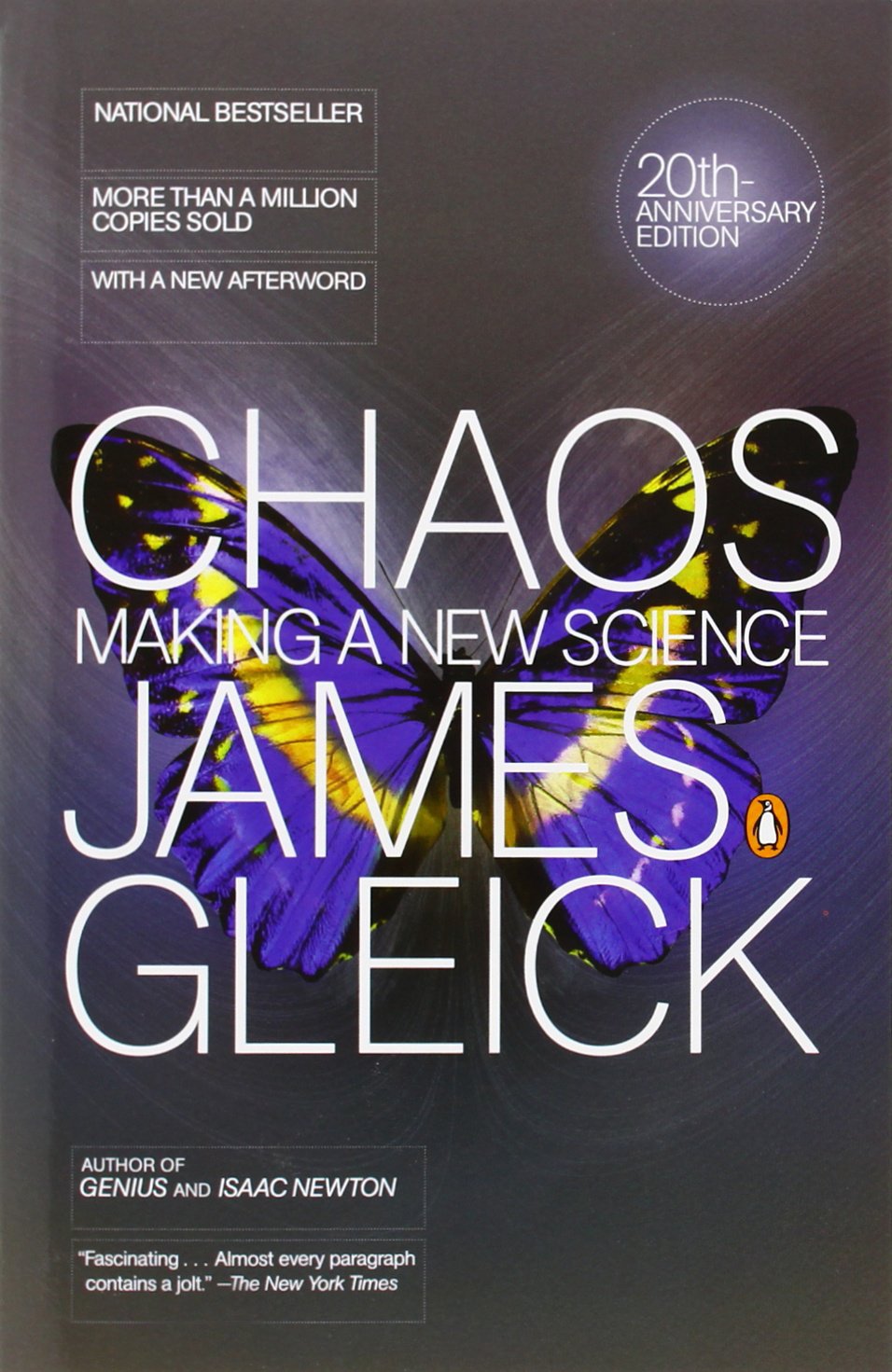
Chaos: Making a New Science
Publisher/author page · Amazon
This book spurred my interest in scientific research in the ninth grade. I built a Lorenz waterwheel with a charting system made from Lego. I used it to chart the transition from stable to chaotic behavior in the system. This book is relatable and fascinating in its approach to explaining the field of chaos theory.
I can remember the moment when I finally understood Newton's method for root finding because it was explained simply and clearly. The book is not entirely technical, however, and it introduces some of the people who were central to creating this important field of research. Chaos is deep, intriguing, and worth investigating.
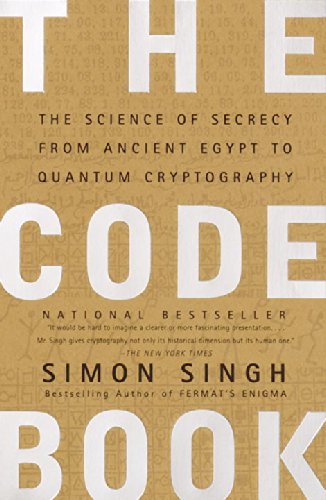
The Code Book: The Science of Secrecy from Ancient Egypt to Quantum Cryptography
Publisher/author page · Amazon
Secrecy has been important throughout history. This book traces the history of secret code as a method for secure communication. This book covers the entire history of code, including interesting topics on Mary, Queen of Scots, the Navajo Code Talkers, and the modern use of encryption on the internet. This book works to show the impact that cryptography has had on history, and how important it will be in the future. This book is very entertaining and interesting. It’s perhaps a little short on some details, but as a popular science book, it is very casually readable.
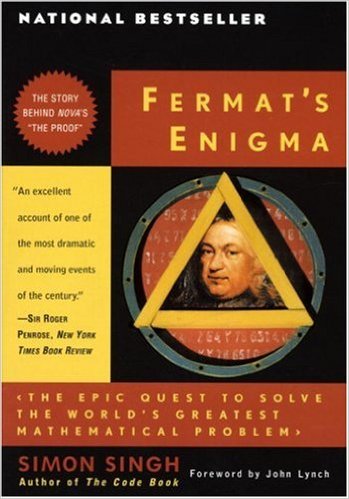
Fermat's Enigma: The Epic Quest to Solve the World's Greatest Mathematical Problem
Publisher/author page · Amazon
Another from Singh, this book studies the history of the pursuit of the last theorem of Pierre de Fermat. He posed a simple mathematical equation that remained unsolved for 350 years. I hesitate to call this a page-turner, for after all, it is a math book - but… the historical detail, the fascinating characters, and sometimes deeply emotional turmoil of those who spent their lives in devotion to this knowledge is compelling reading. Singh delivers a detailed history of the problem, a quick history of mathematics, and one man’s work to push the boundaries to solve this problem. It’s a captivating tale.
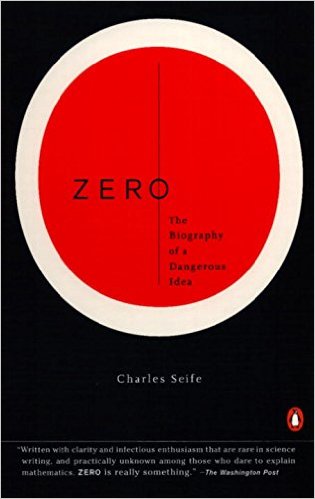
Zero: The Biography of a Dangerous Idea
Publisher/author page · Amazon
There are several books written about the history of zero, and this may be the least serious of the group. At times, it is a little too humorous and light. But, it does offer an interesting history of our struggle to address the concept of Zero - the one location on the number line that makes division explode and our heads hurt from conflicting expectations. While the book is not without its flaws in its approach to calculus and to some extent all of Newtonian and classical mechanics, the overall history lessons in the book, and its approachable nature, make it an appealing book to read one day on vacation.
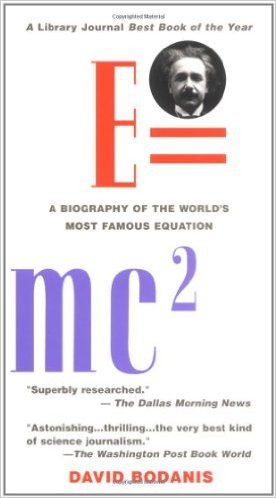
E=mc²: A Biography of the World’s Most Famous Equation
Publisher/author page · Amazon
This book presents the most famous equation in two parts. One section explores each of the symbols in the equation. This builds up an understanding of the parts and how they relate to one another. In the second section, Bodanis explores the equation in context. From the creation of the atomic bomb, to our understanding of special relativity, to presenting a bit of a primer on modern cosmology. This book is a well-constructed mix of history, theory, and science.
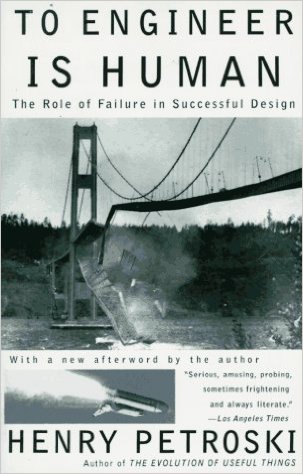
To Engineer Is Human: The Role of Failure in Successful Design
Publisher/author page · Amazon
We are all engineers. Whether we’re stacking dishes so that they don’t fall over, building a doghouse from scrap wood, or designing a nuclear reactor, we are familiar with the failure modes of our constructions. In this book, Petroski takes us through historical failures with both forensic engineering and an eye for human details. This is an accessible book for anyone with at least a passing interest in civil engineering.
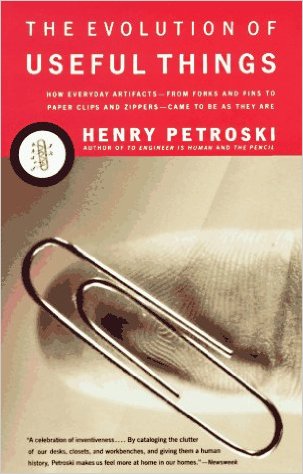
The Evolution of Useful Things: How Everyday Artifacts-From Forks and Pins to Paper Clips and Zippers-Came to be as They are
Publisher/author page · Amazon
In this book Petroski researches how some of our most ubiquitous artifacts of modern living came to be. Our forks have four tines - and this is a story worth reading about. Each of the everyday items that he introduces has been exhaustively researched, and then told as a story with care to the creators and people that influenced the history of the object. The book is a little repetitive in its approach to some items, but overall it’s an interesting way to re-frame so many of the items in our daily lives.
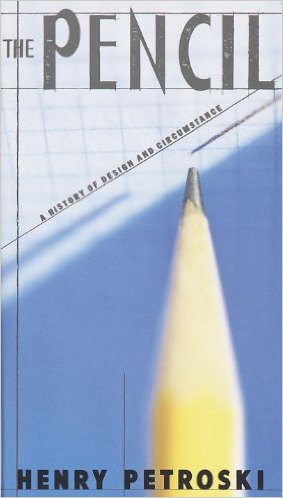
The Pencil: A History of Design and Circumstance
Publisher/author page · Amazon
Petroski traces the origin of the pencil in wonderfully excruciating detail. The historical research and detail is stunning. This book traces the history of the pencil from its beginning in ancient Greece to the modern pencil. Each component of the pencil is examined in detail, and is presented as the culmination of generations of engineering design, discovery, advancement, and persistence. This book presents the pencil as a reference for the rise of modern manufacturing, and uses it as a way to explore the rise of the technology needed to create the seemingly simple pencil. This book really requires that you be interested in minutiae and perhaps should not be your first Petroski book. That said, it’s one that I really enjoyed.
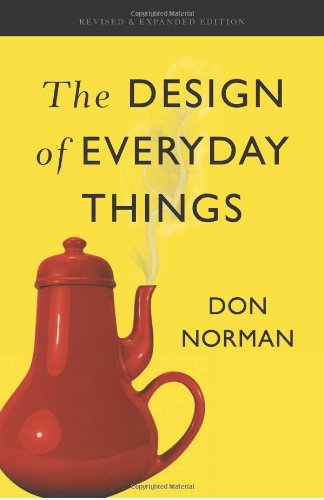
The Design of Everyday Things
Publisher/author page · Amazon
Have you ever tried to pull a door that only operates as a push? Have you ever been unsure which way to insert a ticket into a machine? This book works through the basics of design in discoverability, affordance, signifiers, feedback, and constraints. Norman changed the field with this book, and it’s a valuable resource for learning to think in terms of use. This is a classic, and I highly recommend it.
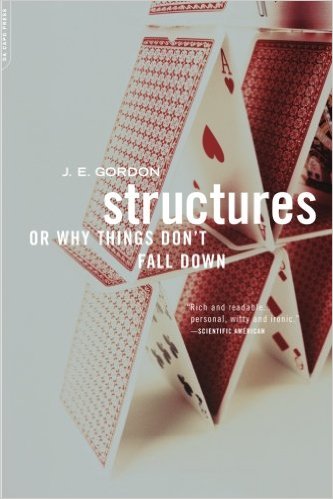
Structures: Or Why Things Don't Fall Down
Publisher/author page · Amazon
You may have noticed a trend in this list - engineering presented with history and humor. This book is certainly in the same category. Gordon presents the concepts of suspension bridges, dams, bat wings, and all manner of engineering with a bit of whimsy and humor to accompany historical background. With minimal math, and lots of real-world examples, this book is a great overview of modern engineering and is a very accessible book.
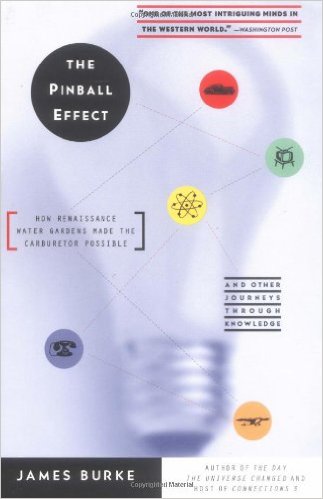
Pinball Effect: How Renaissance Water Gardens Made the Carburetor Possible
Publisher/author page · Amazon
If you never saw the TV series from James Burke called Connections - you must. Burke is the undisputed master of serendipity and history. The Pinball Effect continues this tradition with an examination of the interconnectedness of history. This book is a sometimes frenetic look at how the modern day came to be.
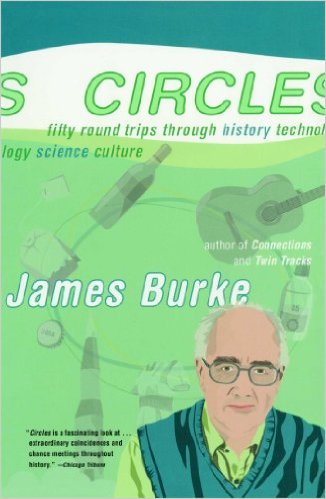
Circles
Publisher/author page · Amazon
This is a collection of essays from James Burke originally published in Scientific American. I can recommend any of his books as well, but this collection of essays is great for reading in short snippets over a few months, lest they become a bit repetitive. They have the clever tone of his TV show, boiled down to easy to read short essays.
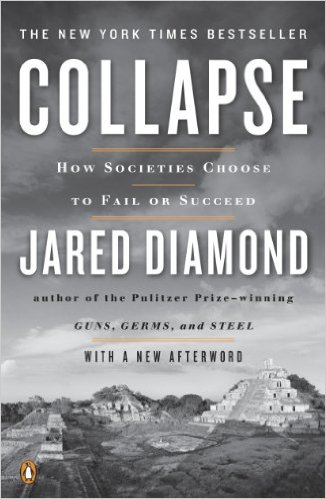
Collapse
Publisher/author page · Amazon
Ever the dystopian, I’m leaving Guns, Germs, and Steel off this list, and instead favoring this book from Diamond. In this book, he probes the cause of civilization collapse. There is much to be learned from the recurring theme of environmental catastrophe, and the book could lead some readers to be a little distraught about our future. The book is consistent and well researched, and is an enjoyable book to read.
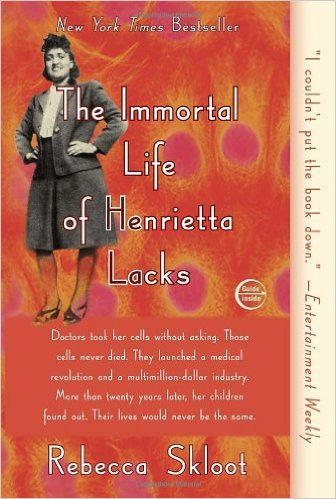
The Immortal Life of Henrietta Lacks
Publisher/author page · Amazon
This is the story of the creation of the HeLa line of human cells. They are an extraordinary resource for medical research that came from a biopsy taken from Henrietta Lacks, a poor Black tobacco farmer. This book examines the troubled history of race and ethics in medicine while simultaneously exploring the relationships within the family of Henrietta Lacks.
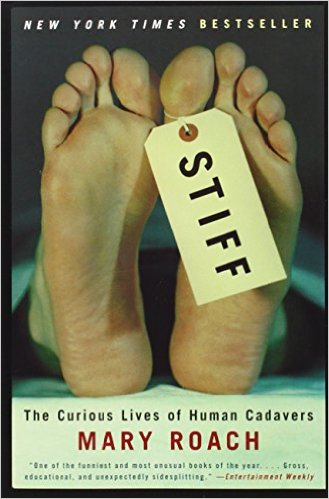
Stiff: The Curious Lives of Human Cadavers
Publisher/author page · Amazon
You won’t believe me when I try to explain how funny this book is. It’s a book about dead bodies - the stories our bodies could tell after we’re no longer using them. She deftly explains the contributions of cadavers to medicine, organ transplants, and how our death has changed through history. This is a bizarre and wonderful book that you may be prompted to read in one sitting.
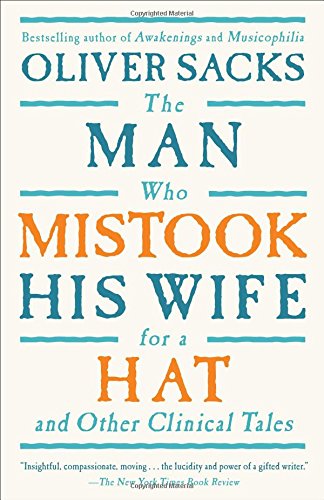
The Man Who Mistook His Wife for a Hat and Other Clinical Tales
Publisher/author page · Amazon
This is a classic introduction to the clinical writing of Oliver Sacks. This is a collection of case studies that demonstrate the vagaries of the human condition. Sometimes heartbreakingly sad, other times quite funny, this book shows his critical attention to detail, and should serve as an entry point into his other writings.